

Exploring the Wild
Yellowstone Wildlife, Photography & Field Guides
Explore Yellowstone and beyond through in-depth wildlife insights, photography guides, and real field experience. This collection of articles covers seasonal wildlife behavior, where to find animals, and how to photograph them in changing conditions. You’ll also find astrophotography guides, location breakdowns, and practical techniques used in the field. Whether you’re planning a trip or refining your skills, this is where knowledge meets real-world experience.

The Wild in Yellowstone: Grizzlies in Hyperphagia
October is a critical month for grizzly bears in Yellowstone National Park. As winter approaches, these powerful predators enter the final stages of hyperphagia, a period of increased feeding that allows them to accumulate the fat reserves needed for hibernation. Across the Greater Yellowstone Ecosystem, grizzlies seek high-calorie foods including whitebark pine nuts, roots, berries, and animal carcasses. Their feeding behavior, movement patterns, and habitat use reflect the changing conditions of autumn. For wildlife photographers, October offers the opportunity to capture grizzly bears against golden grasslands, dark forests, and the first snow-covered ridgelines of the season. In this edition of The Wild in Yellowstone, we explore grizzly bear hyperphagia, where to look for autumn activity, and photography techniques for documenting these remarkable animals responsibly.

The Wild in Yellowstone & Grand Teton: Moose Rut
September brings one of the Greater Yellowstone Ecosystem's most fascinating wildlife events: the moose rut. Across Yellowstone and Grand Teton National Parks, mature bull moose shed their antler velvet, search for receptive cows, and compete for breeding opportunities as autumn settles across the landscape. From the willow-lined creeks of Yellowstone's northeastern corner to the dramatic mountain backdrops and river corridors of Grand Teton, photographers have opportunities to capture extraordinary animal behavior during one of the year's most beautiful seasons. In this edition of The Wild in Yellowstone & Grand Teton, we explore the timing of the moose breeding season, courtship and dominance behaviors, and the best areas to look for these remarkable animals in both national parks. Discover practical camera settings, composition techniques, and ethical wildlife photography practices for documenting the autumn moose rut.

The Wild in Yellowstone: Bison Rut
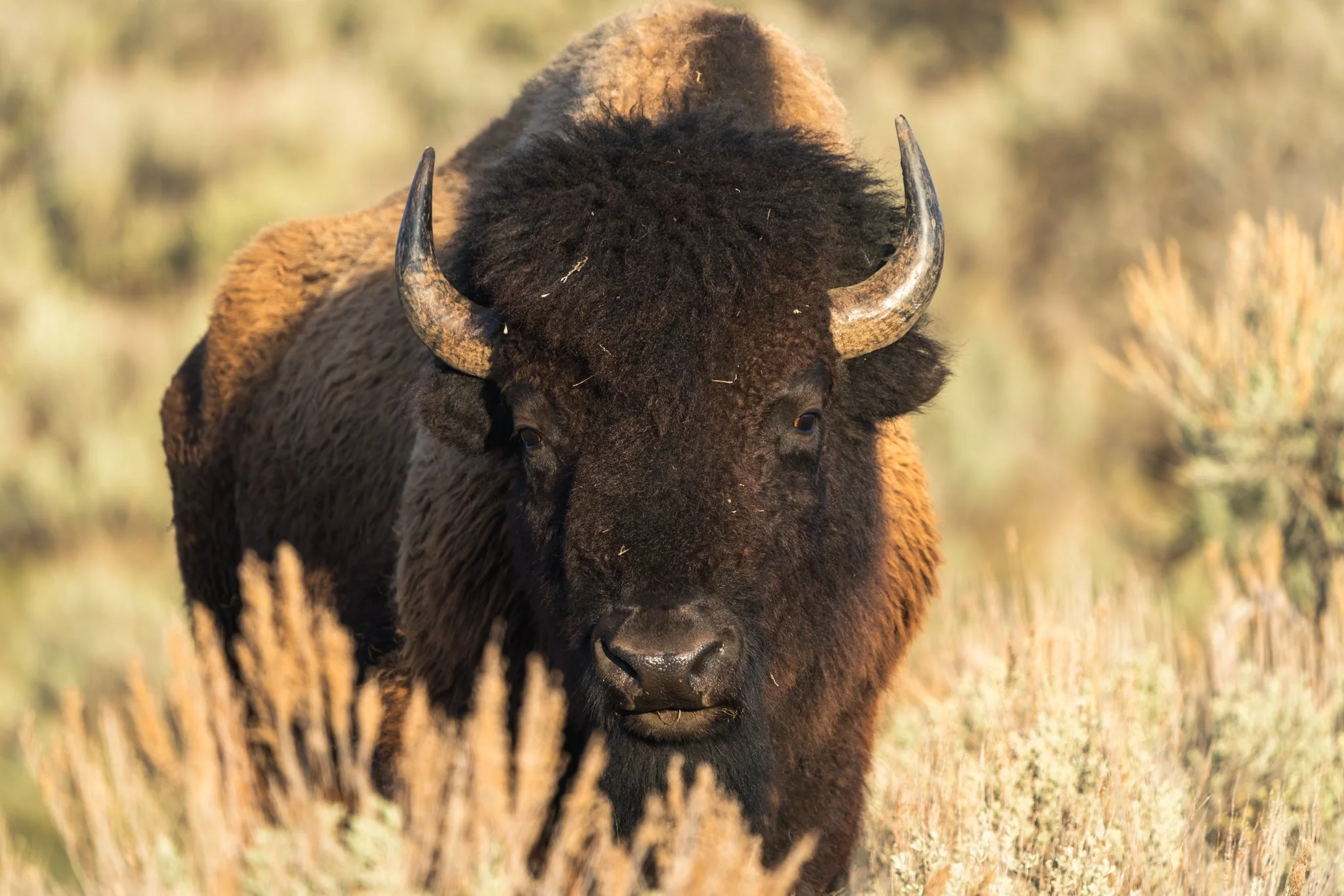
August brings one of Yellowstone National Park's most dramatic wildlife events: the American bison rut. Across Hayden Valley and Lamar Valley, mature bulls gather with larger herds, bellowing, wallowing, and competing for breeding opportunities. These powerful animals display extraordinary strength as they challenge rivals and follow receptive females through the grasslands. For wildlife photographers, the bison rut provides opportunities to capture intense behavior, dust-filled confrontations, and remarkable environmental portraits. In this edition of The Wild in Yellowstone, we explore the timing of the bison breeding season, how to recognize courtship and dominance behavior, and where to find the best viewing opportunities. Learn camera settings and techniques for photographing rutting bison safely while documenting one of Yellowstone's most memorable summer wildlife spectacles.

The Essential Checklist to Milky Way Photography
Capturing the Milky Way is one of the most rewarding experiences in photography, but success begins long before darkness falls. From selecting the right camera and lens to understanding exposure settings, planning tools, and outdoor clothing, having the proper equipment can make the difference between a frustrating night and an unforgettable one. In this guide, I'll walk through the essential gear I recommend for Milky Way photography, along with the camera settings, accessories, and field-tested tips I use during workshops in Yellowstone, Grand Teton, and Acadia National Parks.
As twilight fades and the first stars begin to appear, a sense of anticipation settles across the landscape. The crowds disappear, temperatures drop, and familiar places transform beneath the glow of the night sky. Then, slowly, the Milky Way rises above the horizon, stretching across the darkness in a river of stars.
Many photographers assume capturing images like this requires expensive equipment or advanced technical skills. While experience certainly helps, success begins with having the right tools and understanding how to use them. Over the years, I've spent countless nights photographing the Milky Way across Yellowstone, Grand Teton, and Acadia National Parks, and I've learned that preparation often matters more than the camera itself.
Whether you're heading out for your first night under the stars or looking to improve your results, this guide covers the essential gear, clothing, settings, and accessories that will help you photograph the Milky Way with confidence.

The Wild in Yellowstone: Pronghorn in June
June brings fresh green landscapes and increased wildlife activity to Yellowstone National Park's northern range. Among the most fascinating animals found across the park's open sagebrush flats are pronghorn, North America's fastest land mammals. Capable of reaching speeds approaching 50 miles per hour, these remarkable animals rely on extraordinary vision, speed, and awareness to survive in Yellowstone's open country. For wildlife photographers, June offers excellent opportunities to photograph adult pronghorn feeding, traveling, and interacting against expansive mountain backdrops. In this edition of The Wild in Yellowstone, we explore pronghorn behavior, their unique evolutionary adaptations, the best places to find them around Lamar Valley and Gardiner, and practical photography techniques for capturing these often-overlooked animals in their natural environment.
Our Take on the Best Camera and Lens Combos for Wildlife Photography 2026 edition
Choosing the right wildlife photography gear in 2026 means balancing reach, speed, and reliability in real-world conditions. This guide breaks down the best camera and lens combinations for wildlife photography, from beginner setups like the Sony a6700 with a 200–800mm lens to professional systems like the Nikon Z9 paired with a 600mm f/4. Built from real experience in Yellowstone National Park, these recommendations focus on what actually works in the field, helping you capture fast-moving wildlife, changing light, and once-in-a-lifetime moments.

The Wild in Yellowstone: Bison in May
May in Yellowstone marks one of the most dynamic periods of the year, bison calving season. Across Lamar and Hayden Valley, newborn calves, often called “red dogs,” begin to appear alongside protective mothers and tightly structured herds. These early days of life unfold quickly, with calves standing within minutes and staying close as they navigate a landscape still transitioning from winter to spring. For photographers, this is a rare opportunity to capture powerful moments of connection, vulnerability, and resilience. In this post, we explore bison behavior during calving season, where to find them across Yellowstone, and how to photograph these iconic animals while respecting their space during one of the most sensitive times of year.

The Wild in Yellowstone: Grizzly Bears in April
April in Yellowstone marks the true beginning of spring. Following the first confirmed grizzly sighting on March 9th in Yellowstone and the first sow with cubs observed on March 29th in Grand Teton, bear activity increases across the region. Sows with cubs become more visible, movement expands, and feeding opportunities improve as snow recedes. This is one of the most powerful months to observe grizzly behavior in its most natural state. In this post, we explore where to find bears in April, what behaviors to watch for, and how to photograph them responsibly in Yellowstone’s evolving spring landscape.

The Wild in Yellowstone: Bald Eagles in March
March brings a shift along Yellowstone’s rivers. As winter begins to loosen its grip, bald eagles become more active, more visible, and more vocal. Nesting season is underway, and pairs work together to reinforce bonds, defend territory, and prepare for the months ahead. Open water along the Yellowstone River creates prime opportunities to observe hunting behavior, aerial displays, and perch interactions. In this edition of Wild Yellowstone, we explore bald eagle behavior during early spring, where to reliably find them in March, and how to photograph these iconic raptors as they move between winter and nesting season.

The Wild in Yellowstone: Otters & Foxes in January
January in Yellowstone National Park reveals two remarkable winter hunters: the North American river otter and the red fox. While otters navigate icy rivers in search of fish, foxes patrol snow-covered meadows, listening for rodents hidden beneath the surface. Both species possess extraordinary adaptations that allow them to survive Yellowstone's harsh winter conditions. For wildlife photographers, these animals offer opportunities to capture hunting behavior, movement, and the contrast between wildlife and the frozen landscape. In this edition of The Wild in Yellowstone, we explore where to look for river otters and red foxes, how their seasonal behavior changes during winter, and the camera techniques that help capture their most compelling moments. From otters sliding across snow to foxes diving after prey, January offers stories worth discovering.

National Park Entry Changes Coming in 2026: What You Need to Know
Beginning January 1, 2026, the National Park Service will roll out major changes to park access, including digital America the Beautiful passes, a new resident-based pricing structure, expanded motorcycle access, and additional fees for international visitors. These updates affect how travelers plan visits to Yellowstone, Grand Teton, and other iconic parks. Learn what’s changing, how much passes will cost, and how to prepare for future adventures in America’s national parks.

Welcome to the Wildscape Adventure Discord Community
We’re thrilled to introduce the Wildscape Adventure Discord community, a new online home for photographers, adventurers, and nature lovers. This space brings the field to your screen with real-time discussions, photography channels, and personalized one-on-one editing sessions for all Wildscape Adventure tour and workshop participants. Whether you’re refining your Milky Way captures, enhancing wildlife portraits, or preparing for your next adventure, this community keeps you connected and inspired. All future editing sessions and online mentorships will now take place on Discord, making it easier than ever to share screens, exchange feedback, and learn directly from the field.