

Best Wildlife Camera & Lens Combos for 2026
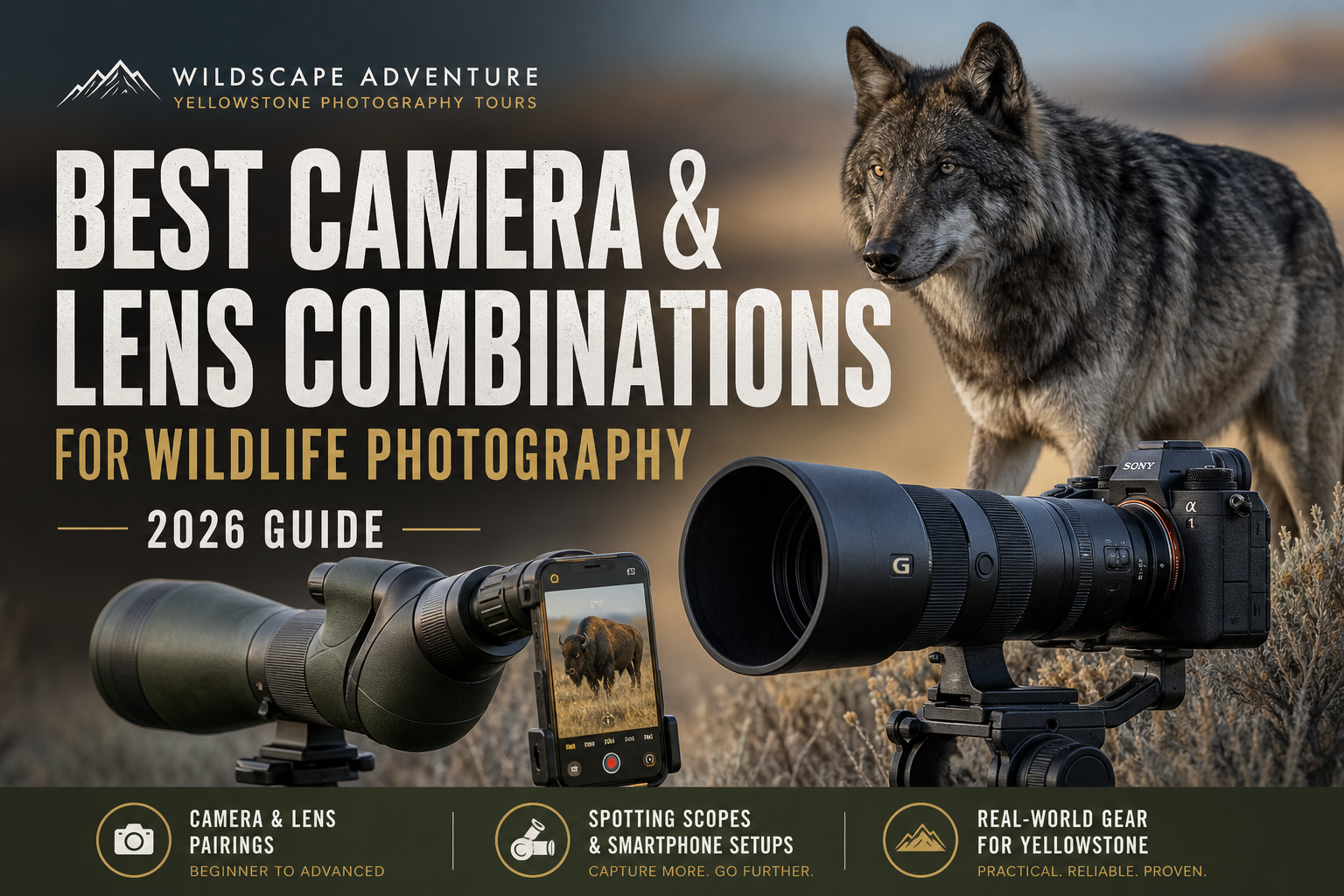
Most photographers think better gear will solve their wildlife photography challenges. In Yellowstone, I’ve seen the opposite happen just as often. Expensive setups underperform, while simpler kits produce great results all based on how they’re used in the field.
Wildlife photography isn’t about having the longest lens or the newest camera. It’s about understanding behavior, anticipating movement, and making quick decisions when conditions change. It’s also about choosing the right tool for the right job and the right budget.
This guide breaks down the best wildlife camera and lens combinations for 2026 based on real-world use in Yellowstone. These are setups that consistently perform in the field, not just on paper.
Beginner to Intermediate: Building a Capable Wildlife Kit
Sony
Camera:Sony a6700
Price: $1,498.00
Price: $2,098.00
Why it works: APS-C reach with a native 200–600mm gives you serious wildlife range without stepping into pro pricing.
Total Investment: ~$3,596.00
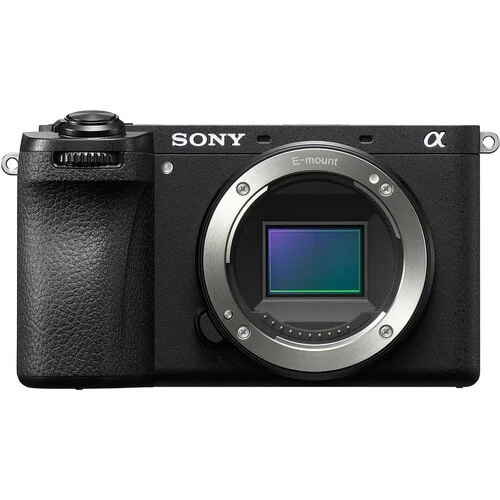
Sony a6700
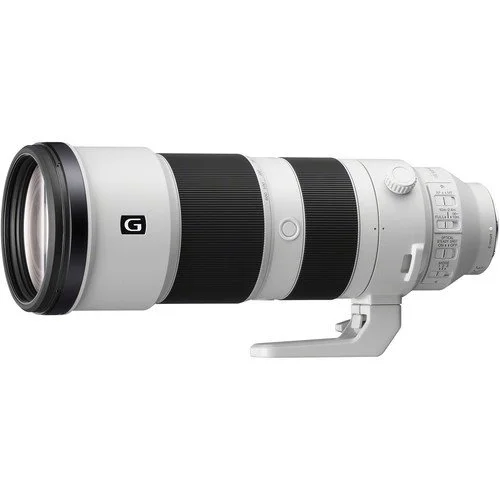
Sony 200-600mm f/5.6-6.3 G OSS
Nikon
Camera: Nikon Z5 II
Price: $1,846.95
Price: $2196.95
Why it works: Full-frame entry performance with one of the most versatile wildlife zooms available.
Total Investment: ~$4,043.90
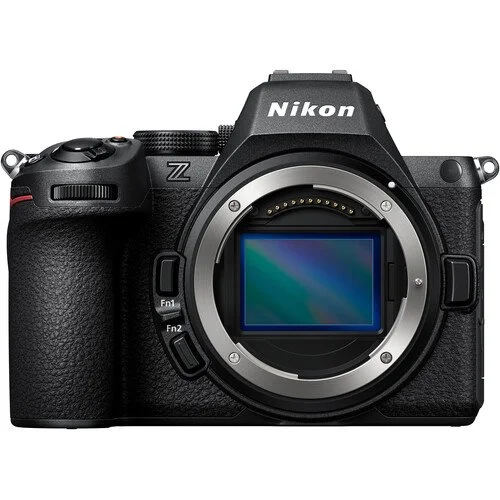
Nikon Z5 II
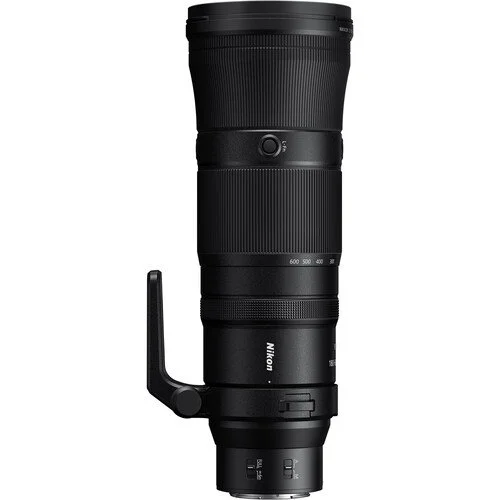
Nikon NIKKOR Z 180-600mm f/5.6-6.3 VR
Canon
Camera: Canon EOS R7
Price: $1649.00
Price: $2,196.95
Why it works: The crop sensor combined with 800mm reach makes this one of the most effective wildlife setups per dollar.
Total Investment: ~$3,845.95
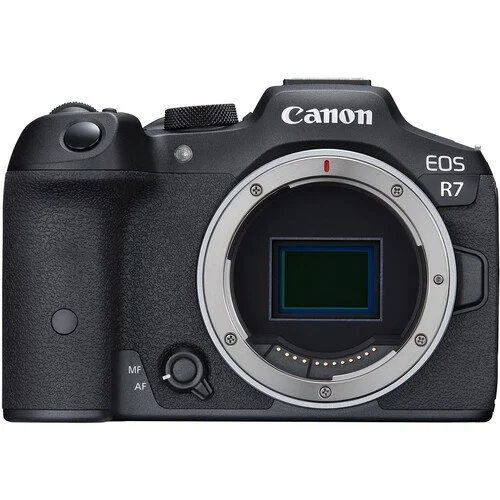
Canon EOS R7
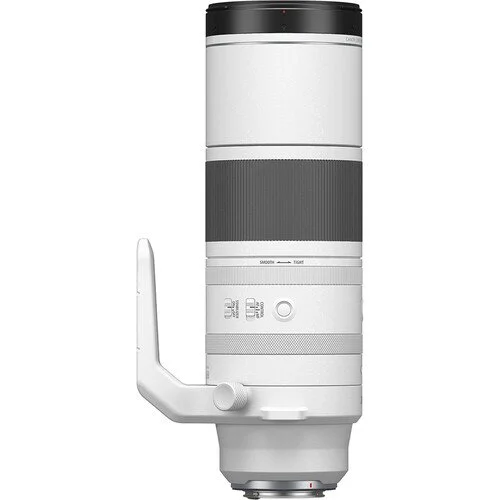
Canon RF 200-800mm f/6.3-9 IS USM
All-in-One Alternative
Camera: Nikon COOLPIX P1100
Price: ~$1,146.95
Why it works: Extreme zoom reach in a single body. Ideal for learning wildlife behavior and composition before investing heavily.
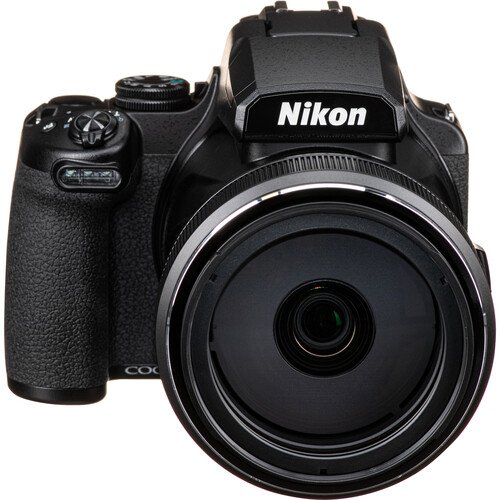
Nikon COOLPIX P1100
Intermediate: Performance and Flexibility
Sony
Camera: Sony a7R V
Price: $4,198.00
Price: $2,698.00
Why it works: High resolution paired with elite autofocus. Ideal for cropping wildlife images while maintaining detail.
Total Investment: ~$6,896.00
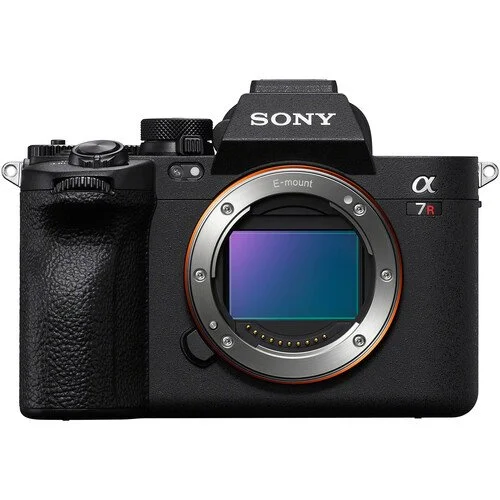
Sony a7R V
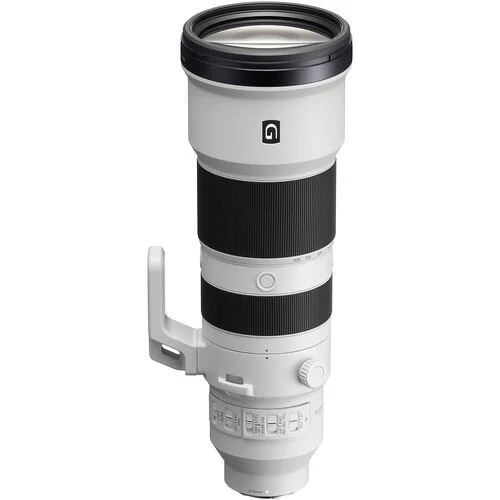
Sony 400-800mm f/6.3-8 G OSS
Nikon
Camera: Nikon Z8
Price: $4,296.95
Price: $2,946.95 - $5196.95
Why it works: Flagship-level autofocus and speed in a more compact body.
Total Investment: ~$7,243.90 - $9,493.90

Nikon Z8
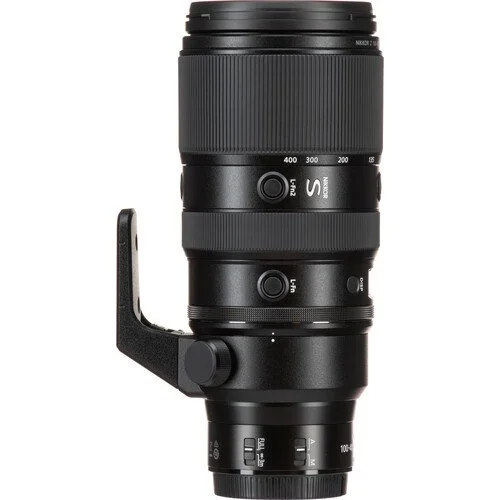
Nikon Z 100-400mm f/4.5-5.6 VR S Lens
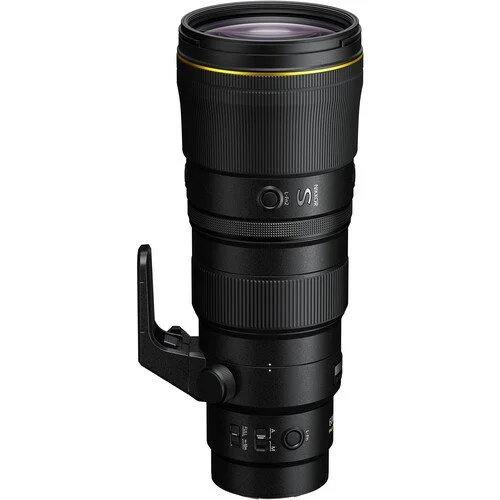
Nikon Z 600mm f/63 VR S
Canon
Camera: Canon EOS R5 Mark II
Price: $4,399.00
Price: $3,099.00
Why it works: One of the most versatile wildlife kits available. Range, resolution, and tracking all in one system.
Total Investment: ~$7,498.00
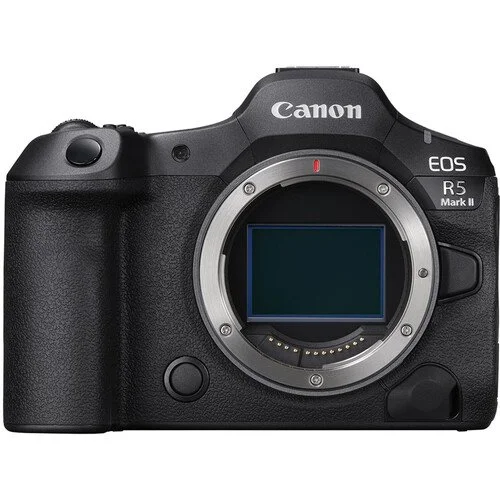
Canon EOS R5 Mark II
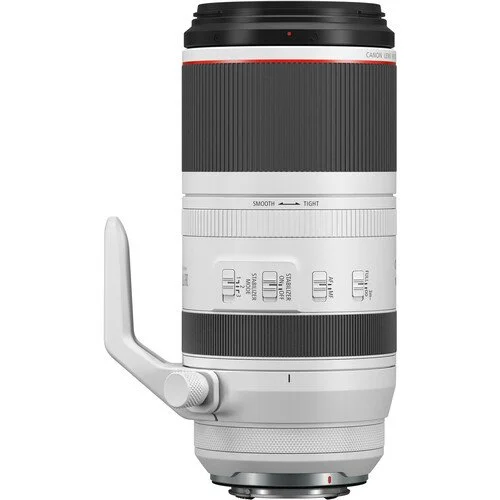
Canon RF 100–500mm f/4.5–7.1 L IS USM
Advanced: Professional Wildlife Systems
Sony
Camera: Sony a1 II
Price: $6,998.00
Lens (Primary): Sigma 300–600mm f/4 DG OS Sports
Price: $6,599.00
Important Note:
The Sigma lens limits the a1 II to 15 fps continuous shooting, which is a real consideration for fast wildlife action.
Alternative (Full Performance Option):
Lens: Sony 600mm f/4 GM OSS
Price: $14,098.00
Why it works: Unlocks full performance of the a1 II with faster burst rates and native integration.
Total Investment: ~$13,600.00 to $21,096.00
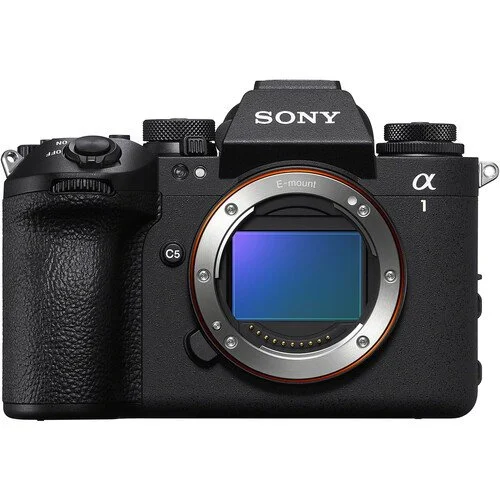
Sony a1 II
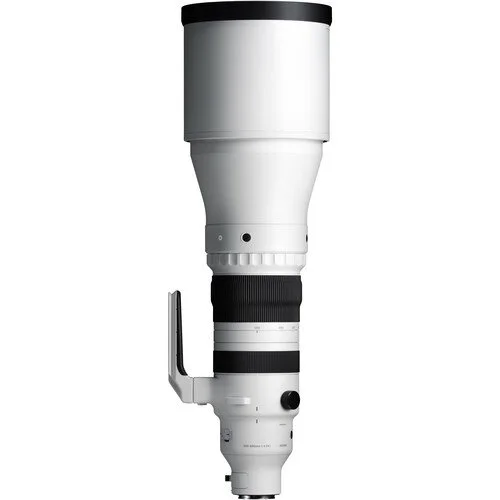
Sigma 300–600mm f/4 DG OS Sports

Sony 600mm f/4 GM OSS
Nikon
Camera: Nikon Z9
Price: $5896.95
Price: $16,196.95
Why it works: Built for serious wildlife work. Reach, durability, and reliability in any condition.
Total Investment: ~$22,093.50
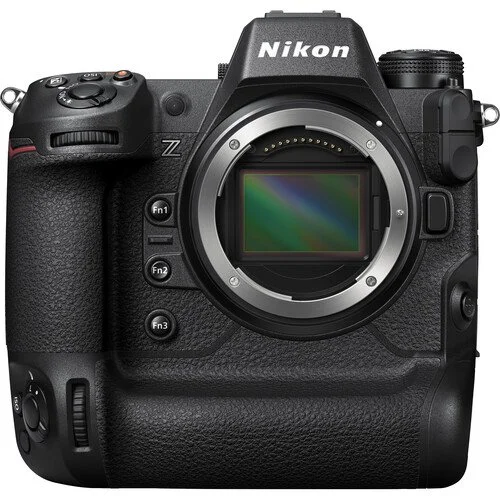
Nikon Z9
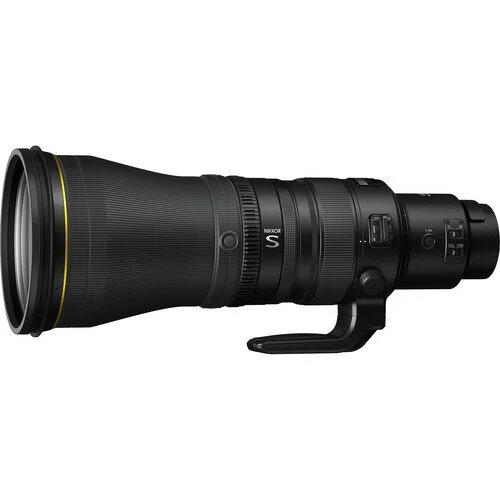
Nikon Z 600mm f/4 TC VR S
Canon
Camera: Canon EOS R1
Price: $6,799.00
Price: $14,499.00
Why it works: Fast, precise, and built for professionals who need consistency in demanding conditions.
Total Investment: ~$21,298.00
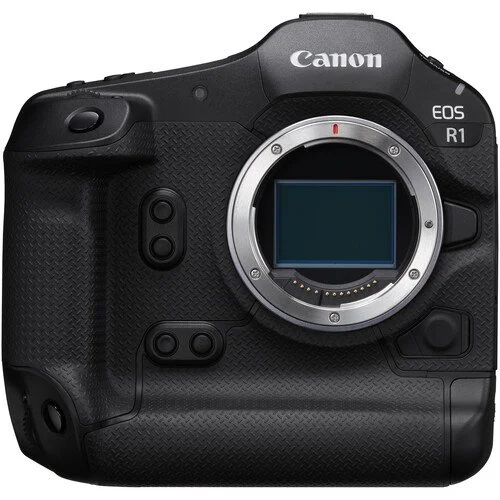
Canon EOS R1
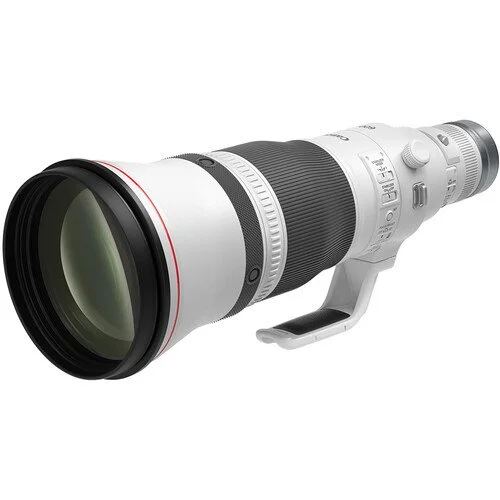
Canon RF 600mm f/4 L IS USM
Teleconverters: When You Need More Reach
Field Tip:
Use them strategically. You gain reach, but you lose light and sometimes autofocus performance.
Tripods & Gimbals: Essential for Long Lenses
Tripod:Leofoto LS-284C Carbon Fiber
Gimbal:Leofoto PG-1 Gimbal Head
If you’re shooting at sunrise or sunset in Yellowstone, this isn’t optional, it’s essential.
Spotting Scopes & Mobile Photography: A Powerful Alternative
In some situations, a spotting scope is actually the better tool for the job.
There are moments in Yellowstone where wildlife is simply too far for even a 600mm lens to fill the frame. Wolves on a distant ridge, bears across a valley, or bighorn sheep high on cliffs. This is where spotting scopes come in, not just for viewing, but for capturing surprisingly high-quality photos and video using your phone.
With the right setup, a smartphone adapted to a spotting scope can produce results that rival—and sometimes exceed, traditional telephoto systems at extreme distances.
Why Use a Spotting Scope for Photography?
Extreme Reach: Equivalent focal lengths far beyond 1000mm
Lightweight Setup: Easier to carry than a full super-telephoto kit
Cost Efficiency: High magnification without a $10K+ lens investment
Versatility: Seamlessly switch between viewing and capturing
In the field, I’ve seen guests capture clean, detailed wildlife footage using nothing more than a scope and a phone, especially in situations where bringing a massive lens just isn’t practical.
Recommended Spotting Scope Setups
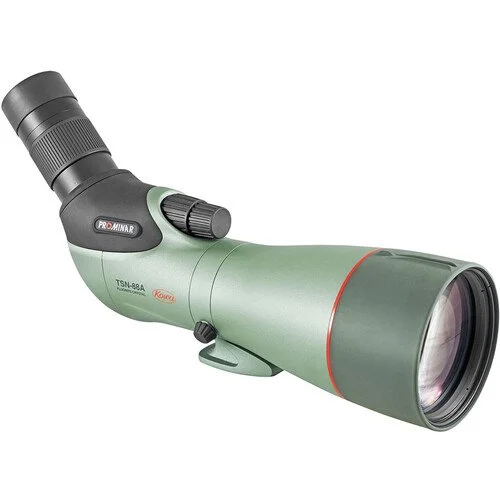
High-End: Kowa TSN-88A Prominar
Price: ~$3,700 (body + eyepiece kit)
Why it stands out:
Exceptional glass quality with fluorite crystal optics. This is about as sharp as it gets in the spotting scope world, perfect for serious wildlife observers and photographers.
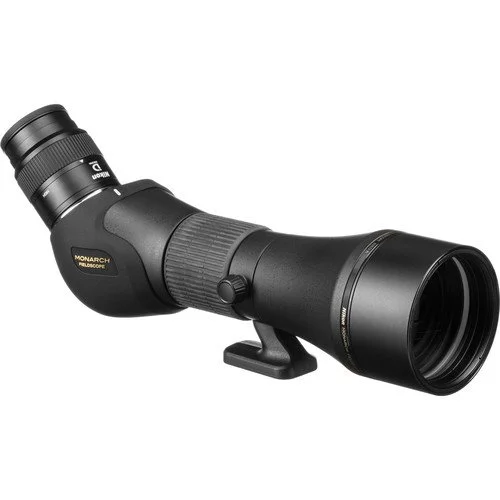
Mid-Tier: Nikon Monarch ED 82
Price: ~$1,600
Link: https://www.bhphotovideo.com/c/product/1281605-REG/nikon_16101_20_60x82mm_monarch_ed_spotting.html
Why it stands out:
Strong optical performance at a more accessible price point. Great balance between clarity, brightness, and affordability.
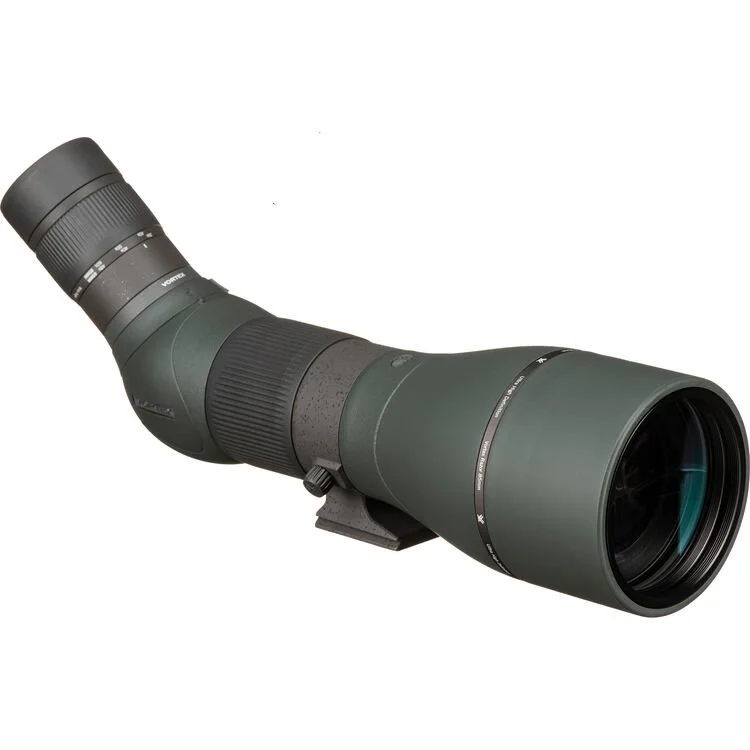
Budget-Friendly: Vortex Razor HD 85
Price: ~$1,000
Link: https://www.bhphotovideo.com/c/product/1275429-REG/vortex_rs_85a_hd_27_60x85wa_spotting_scope.html
Why it stands out:
Durable, reliable, and widely used in the field. A solid entry point into digiscoping without sacrificing too much image quality.
What You Need to Make It Work
To turn a spotting scope into a powerful imaging tool:
Smartphone Adapter (scope-specific or universal)
Stable Tripod (critical for sharp results)
Bluetooth Remote or Timer (to eliminate shake)
Field Reality
This setup isn’t replacing a traditional camera system but it fills a very specific and important gap.
If your goal is to:
Capture distant wildlife behavior
Document rare sightings
Travel lighter
Or stay within a tighter budget
A spotting scope with a smartphone adapter can be one of the most effective tools you carry.
In Yellowstone, the best photographers aren’t the ones with the most expensive gear, they’re the ones using the right tool for the situation in front of them.
And sometimes, that tool isn’t a camera at all.
Consider Buying Used or Renting Gear First
Getting into wildlife photography can be a significant investment, but it doesn’t have to break the bank. If you're not ready to commit to a full gear purchase or if you want to test high-end equipment before making a decision, there are smarter ways to approach it.
Shop or Rent Local
If you’re based in Montana or heading to Yellowstone National Park for a photography tour, Bozeman Camera is a fantastic local option. They offer new and used gear sales, trade-ins, and equipment rentals.
Their team understands the realities of outdoor and wildlife photography, making them a reliable resource for last-minute gear, sensor cleanings, or dialing in the right setup before heading into the park.
Buy Used from a Trusted Source
B&H Photo Video has one of the most reliable used gear departments available. You can find camera bodies, lenses, and accessories in excellent condition, often at hundreds of dollars below retail.
All used items are professionally inspected, rated for condition, and backed by a return window, which adds a level of confidence when buying secondhand.
Rent Before You Commit
If you’re planning a one-time trip or want to test professional gear before investing, renting is one of the smartest moves you can make.
LensRentals ships nationwide and offers a deep inventory across Sony, Nikon, Canon, and more. They also provide optional insurance, and in many cases, you can apply part of your rental cost toward a purchase.
Mutiny Rentals offers a curated selection of professional cinema and still photography gear. Their equipment is well-maintained and built for real-world use, making them a strong option for photographers who need reliability in the field.
Wildlife photography isn’t just about gear, it’s about patience, anticipation, and connection to the natural world. The right tools help you tell those stories more effectively, whether you're tracking bison across Yellowstone’s valleys or watching a golden eagle catch the last light of the day.
If you're not ready to invest in a full kit, options like Bozeman Camera, LensRentals, Mutiny Rentals, or the B&H Photo Video used department give you flexibility without overcommitting. Trying before buying isn’t just budget-friendly, it’s smart fieldcraft.
Whether you're starting with an APS-C body and a long zoom or stepping into a flagship system with a 600mm f/4, every setup in this guide is built for real-world performance. These aren’t theoretical picks, they’re tools designed to handle fast action, unpredictable wildlife, and the conditions that define places like Yellowstone.
Putting It All Together in the Field
The truth is, incredible wildlife images rarely come down to gear alone.
They come from positioning. Patience. Light awareness. And understanding animal behavior, skills that only develop with time in the field.
The camera and lens combinations outlined above will absolutely support your growth. But it’s how you apply them that makes the difference.
That’s where Wildscape Adventure comes in.
Our small-group and private tours in Yellowstone National Park are built around real field experience, long mornings, changing weather, ethical wildlife encounters, and hands-on guidance tailored to your gear and skill level.
We work through settings, lens choice, composition, and decision-making in real time, so when the moment happens, you’re ready.
If you’re serious about elevating your wildlife photography, consider joining us on a Wild Yellowstone wildlife photography tour. You’ll leave with stronger images, a clearer understanding of your equipment, and the confidence to photograph wildlife anywhere you go.
