

Exploring the Wild
Yellowstone Wildlife, Photography & Field Guides
Explore Yellowstone and beyond through in-depth wildlife insights, photography guides, and real field experience. This collection of articles covers seasonal wildlife behavior, where to find animals, and how to photograph them in changing conditions. You’ll also find astrophotography guides, location breakdowns, and practical techniques used in the field. Whether you’re planning a trip or refining your skills, this is where knowledge meets real-world experience.
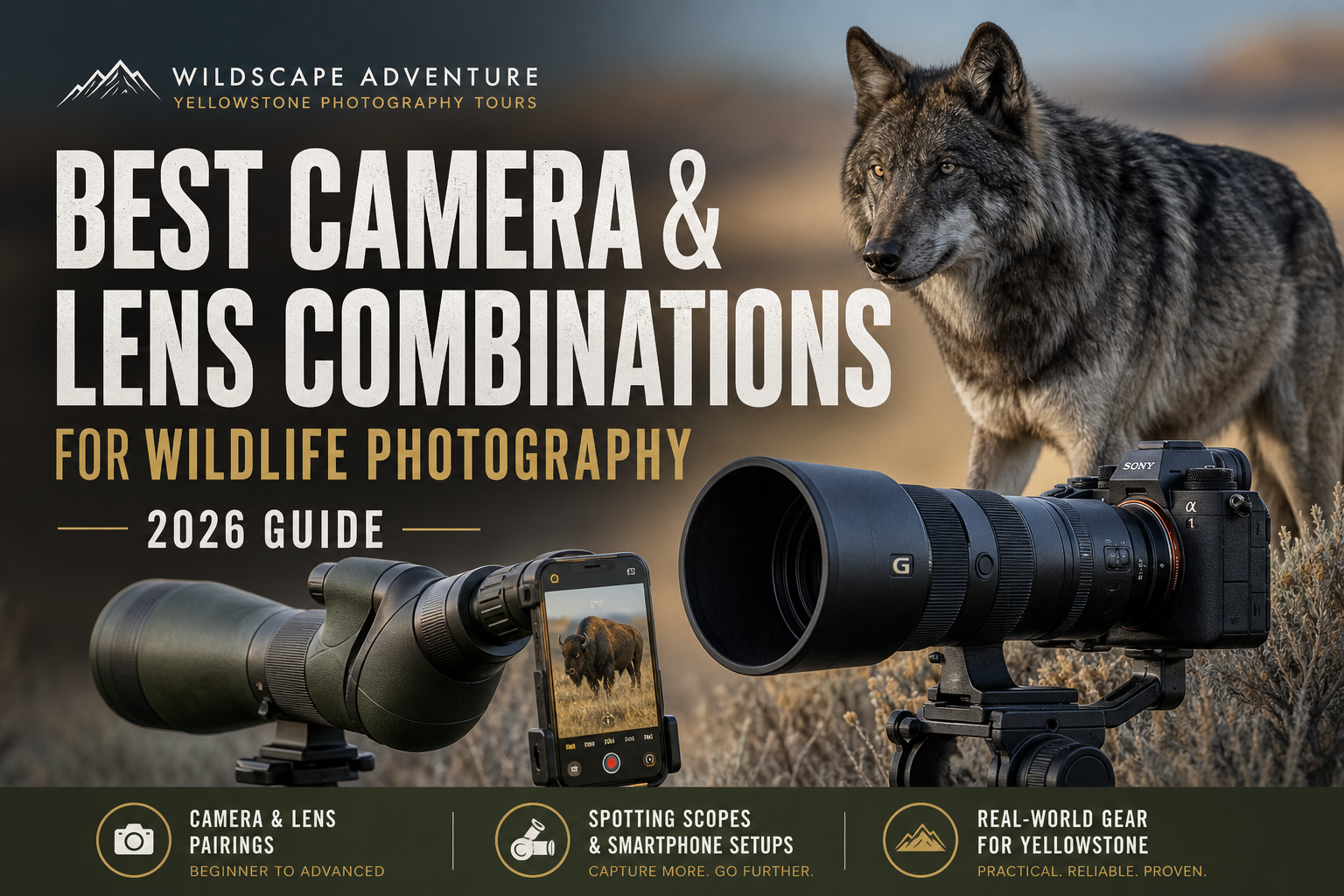
Best Wildlife Camera & Lens Combos for 2026
Choosing the right wildlife photography gear in 2026 means balancing reach, speed, and reliability in real-world conditions. This guide breaks down the best camera and lens combinations for wildlife photography, from beginner setups like the Sony a6700 with a 200–800mm lens to professional systems like the Nikon Z9 paired with a 600mm f/4. Built from real experience in Yellowstone National Park, these recommendations focus on what actually works in the field, helping you capture fast-moving wildlife, changing light, and once-in-a-lifetime moments.
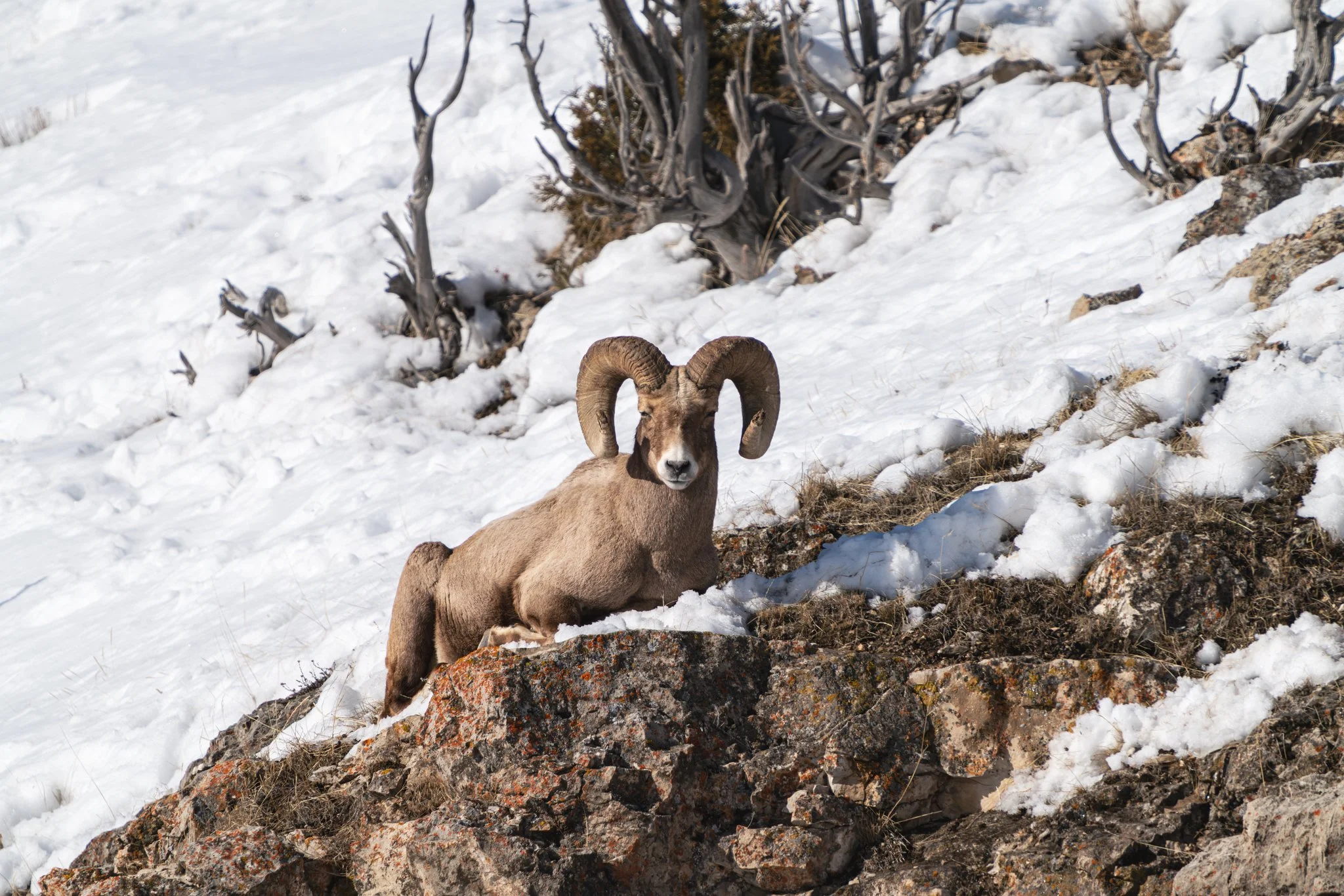
The Wild in Yellowstone: Bighorn Sheep in January
January in Yellowstone belongs to the bighorn sheep. These remarkable animals descend from the high ridges to graze open slopes near Gardiner and the northern canyons. Frost collects on their thick coats as they navigate steep, snow-covered cliffs with calm precision. In the coldest months, survival and balance become one. For photographers, this is a rare opportunity to capture raw resilience against a backdrop of frozen wilderness. In this edition of Wild Yellowstone, we’ll explore how bighorn sheep adapt to harsh winter conditions, where to find them in the park, and how to create powerful, storytelling images that highlight their strength and solitude.

Our Take on the Best Camera and Lens Combos for Wildlife Photography
Whether you’re preparing for your first wildlife photography trip to Yellowstone or are a seasoned field shooter looking to upgrade, one truth holds: the right gear can mean the difference between a fleeting glimpse and an unforgettable image.
Capturing wildlife is a uniquely demanding branch of photography. It requires fast autofocus, long reach, low-light sensitivity, and gear that can withstand tough conditions. But with such a wide range of camera bodies, lenses, accessories, and even spotting scopes available today, choosing the right setup can feel overwhelming, especially with varying skill levels and budgets in mind.