

National Park Entry Changes Coming in 2026: What You Need to Know
A quiet shift is coming to America’s national parks, and it’s one that will change how visitors plan, enter, and budget for their time in places like Yellowstone, Grand Teton, and beyond. Beginning January 1, 2026, the National Park Service is rolling out the most significant modernization of park access in decades.
From digital America the Beautiful passes to new resident-based fee structures, these updates will directly affect photographers, families, and international travelers alike. Here’s what it means for your next adventure and how to prepare.
Digital America the Beautiful Passes Go Live in 2026
For the first time, America the Beautiful passes will be fully digital, available directly through Recreation.gov.
Visitors will be able to:
Purchase passes instantly
Store passes on mobile devices
Link digital passes to physical cards
Use digital validation tools for faster entry
For photographers starting before sunrise or moving between park entrances during peak wildlife hours, this is a meaningful improvement. Faster entry means less time waiting and more time in the field when light and wildlife activity matter most.
Passes moving to digital include:
Annual Pass
Military Pass
Senior Pass
4th Grade Pass
Access Pass
New Annual Pass Pricing Structure
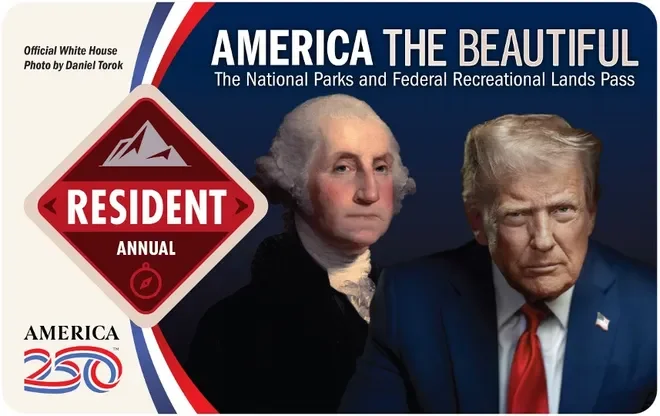
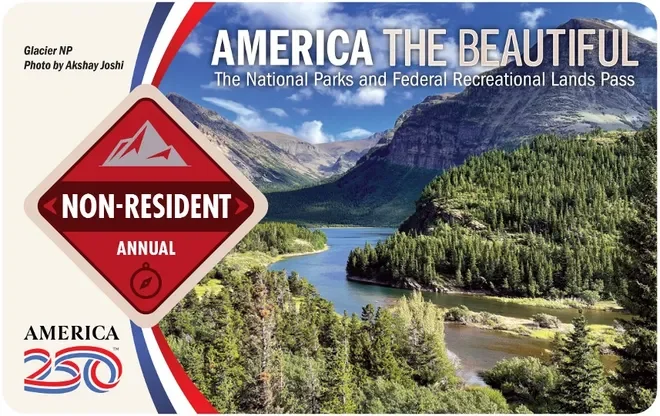
Starting January 1, 2026, the National Park Service will introduce a resident-focused pricing model for the Annual Pass.
Annual Pass Pricing
U.S. Residents: $80
Nonresidents: $250
This replaces the current flat-rate system and marks a significant change for international travelers planning extended trips across multiple parks.
Additional Fees for International Visitors
Nonresident visitors without an annual pass will face a $100 per person entry surcharge at 11 of the most visited national parks, in addition to standard entrance fees.
For travelers visiting Yellowstone or Grand Teton as part of a larger U.S. itinerary, this makes advance planning and pass selection more important than ever.
Which National Parks Are Impacted by the New Fees?
The additional nonresident entry surcharge applies to 11 of the most visited national parks in the United States. These are flagship destinations that see some of the highest visitation each year and are central to many first-time and return travel itineraries.
The impacted parks include:
Acadia National Park (Maine)
Bryce Canyon National Park (Utah)
Everglades National Park (Florida)
Glacier National Park (Montana)
Grand Canyon National Park (Arizona)
Grand Teton National Park (Wyoming)
Rocky Mountain National Park (Colorado)
Sequoia and Kings Canyon National Parks (California)
Yellowstone National Park (Idaho, Montana, Wyoming)
Yosemite National Park (California)
Zion National Park (Utah)
While Sequoia and Kings Canyon are technically two separate national parks, they are jointly managed and function operationally as a single unit for visitor access and fee purposes.
For international travelers planning multi-park routes, especially through the Greater Yellowstone Ecosystem or the Southwest, these changes can add up quickly without advance planning.
Resident-Only Fee-Free Days in 2026
U.S. residents will continue to benefit from designated fee-free park days throughout the year. In 2026, those include:
President’s Day: February 16
Memorial Day: May 25
Flag Day: June 14
Independence Day Weekend: July 3–5
NPS 110th Birthday: August 25
Constitution Day: September 17
Theodore Roosevelt’s Birthday: October 27
Veterans Day: November 11
These dates often bring heavier crowds, especially in iconic parks. If photography is your priority, early starts and quieter shoulder seasons still offer the best conditions.
Expanded Access for Motorcycle Travelers
One small but notable update: all America the Beautiful passes will now cover two motorcycles per pass.
This change opens the door for more affordable two-wheel travel through national parks, especially popular along routes near Yellowstone and Grand Teton during summer months.
Where the Money Goes
According to the Department of the Interior, revenue generated from these new fee structures will be reinvested directly into:
Visitor facility upgrades
Deferred maintenance projects
Improved park services and infrastructure
For anyone who spends long days in the parks, guides, photographers, and visitors alike, this investment matters.
How to Prepare for 2026 Park Access Changes
If you’re planning trips beyond 2025, here’s how to stay ahead:
Purchase passes through Recreation.gov once digital options go live
International visitors: Budget for higher entry costs and consider annual passes early
Photographers: Factor entry timing into sunrise and sunset planning
Workshop participants: Confirm pass coverage before arrival
At Wildscape Adventure, all guided tours operate under valid park access, and I’ll always walk clients through exactly what they need before stepping through the gate.
Final Thoughts
National parks are evolving, not just in how we protect them, but in how we access them. These 2026 updates aim to streamline entry, modernize passes, and adjust pricing in a way that reflects long-term park sustainability.
Whether you’re chasing wolves in Lamar Valley, photographing sunrise in the Tetons, or standing under the Milky Way far from city lights, understanding these changes now will help you focus on what matters most when the moment arrives.
If you have questions about park access, passes, or how these changes affect a Wildscape Adventure tour, don’t hesitate to reach out.
