

Exploring the Wild
Yellowstone Wildlife, Photography & Field Guides
Explore Yellowstone and beyond through in-depth wildlife insights, photography guides, and real field experience. This collection of articles covers seasonal wildlife behavior, where to find animals, and how to photograph them in changing conditions. You’ll also find astrophotography guides, location breakdowns, and practical techniques used in the field. Whether you’re planning a trip or refining your skills, this is where knowledge meets real-world experience.
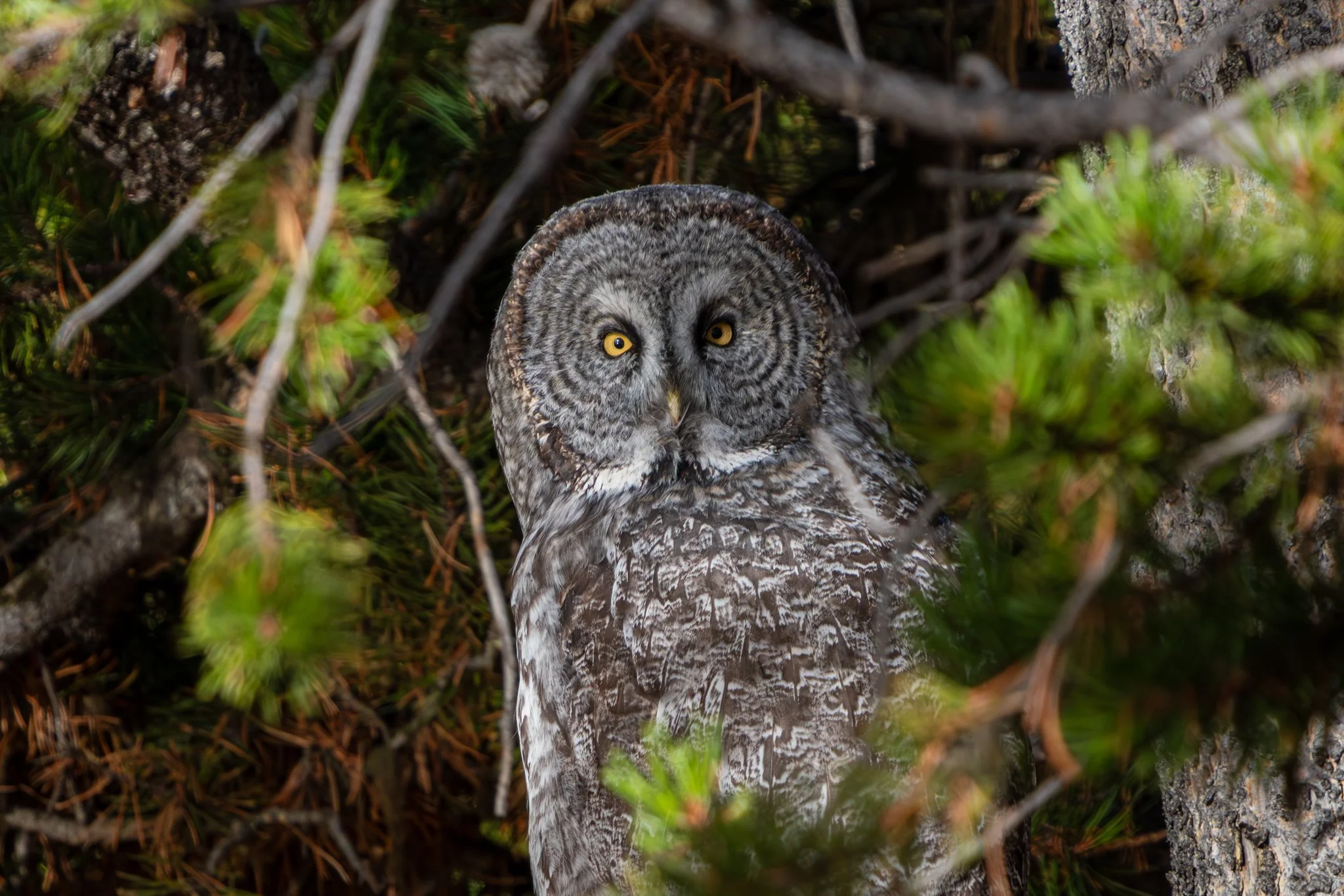
The Wild in Yellowstone: Great Gray Owls in July
July offers one of the best opportunities to observe Great Gray Owls in Yellowstone National Park. As young owls leave the nest and begin exploring the forest, adults remain busy hunting to feed their growing families. Meadow edges and quiet forests come alive with silent flights, patient hunting, and curious juveniles learning the skills they'll need to survive on their own. In this edition of The Wild in Yellowstone, we explore Great Gray Owl behavior during midsummer, where to find them, and how to photograph one of North America's most captivating birds while respecting the fragile habitat they depend on.
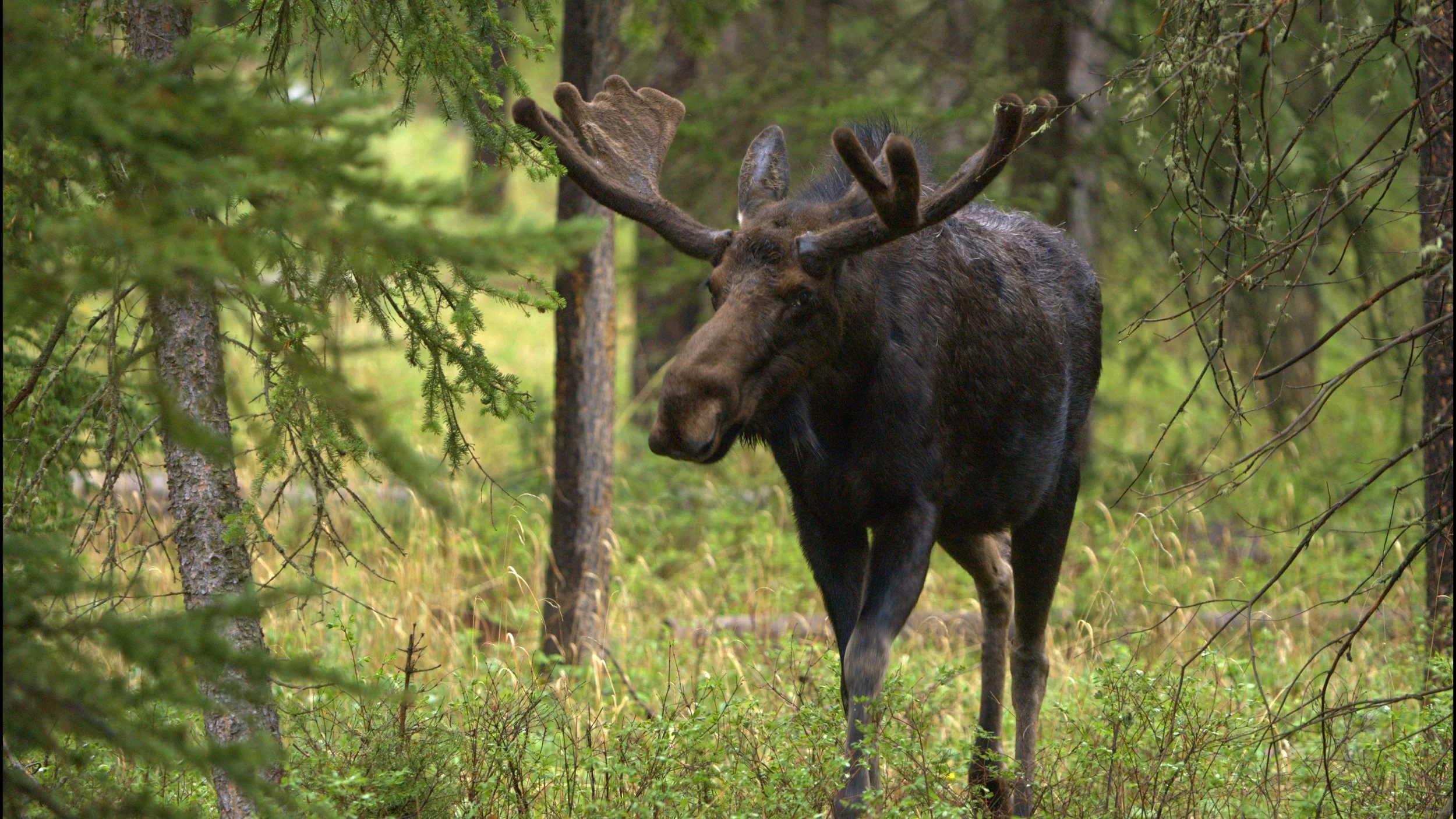
The Wild in Yellowstone: Moose in June
June is one of the best times to experience moose in Yellowstone National Park. As wetlands green up and willow flats come alive, bull moose begin growing velvet-covered antlers while cows carefully guide newborn calves through ponds, creeks, and marshy meadows. Cooler mornings and soft summer light create exceptional opportunities for wildlife photography, especially in Yellowstone’s northern range and willow-rich habitat. In this edition of The Wild in Yellowstone, we explore June moose behavior, where to find them, and how to photograph these quiet giants in one of the most rewarding seasons of the year. From feeding behavior and calf interactions to timing and fieldcraft, June offers a rare chance to witness moose at their most calm, patient, and connected to the landscape.
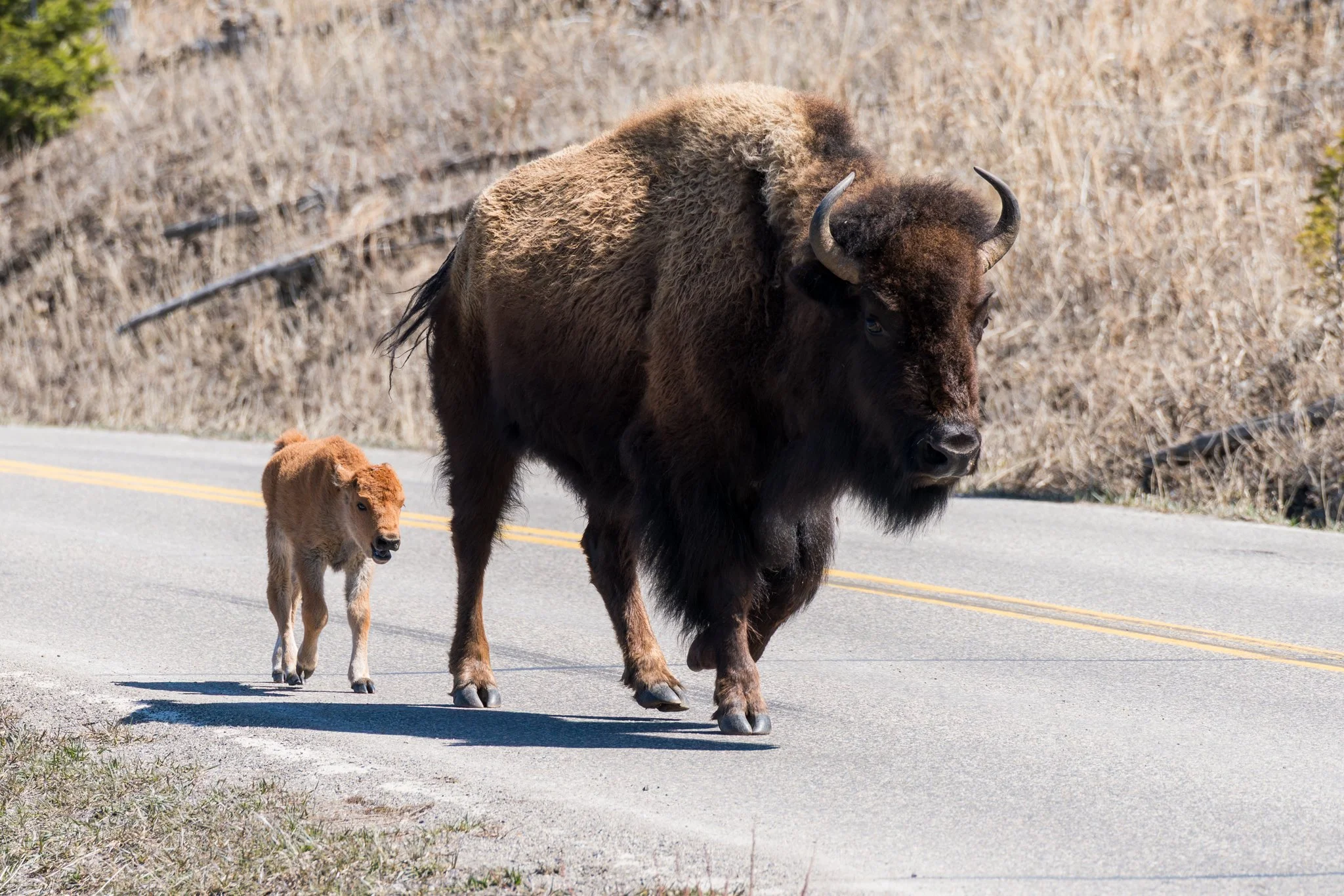
The Wild in Yellowstone: Bison in May
May in Yellowstone marks one of the most dynamic periods of the year, bison calving season. Across Lamar and Hayden Valley, newborn calves, often called “red dogs,” begin to appear alongside protective mothers and tightly structured herds. These early days of life unfold quickly, with calves standing within minutes and staying close as they navigate a landscape still transitioning from winter to spring. For photographers, this is a rare opportunity to capture powerful moments of connection, vulnerability, and resilience. In this post, we explore bison behavior during calving season, where to find them across Yellowstone, and how to photograph these iconic animals while respecting their space during one of the most sensitive times of year.
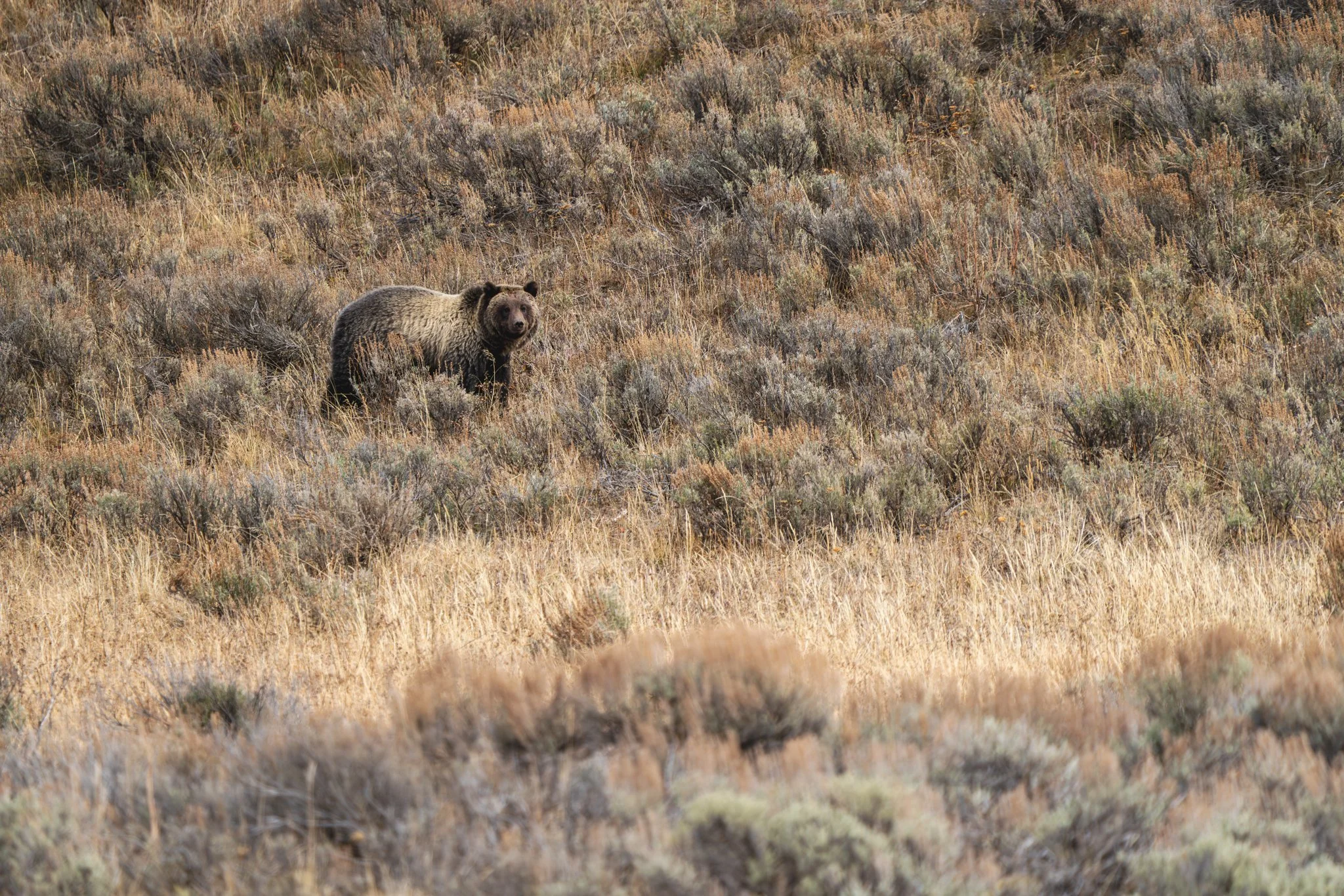
The Wild in Yellowstone: Grizzly Bears in April
April in Yellowstone marks the true beginning of spring. Following the first confirmed grizzly sighting on March 9th in Yellowstone and the first sow with cubs observed on March 29th in Grand Teton, bear activity increases across the region. Sows with cubs become more visible, movement expands, and feeding opportunities improve as snow recedes. This is one of the most powerful months to observe grizzly behavior in its most natural state. In this post, we explore where to find bears in April, what behaviors to watch for, and how to photograph them responsibly in Yellowstone’s evolving spring landscape.
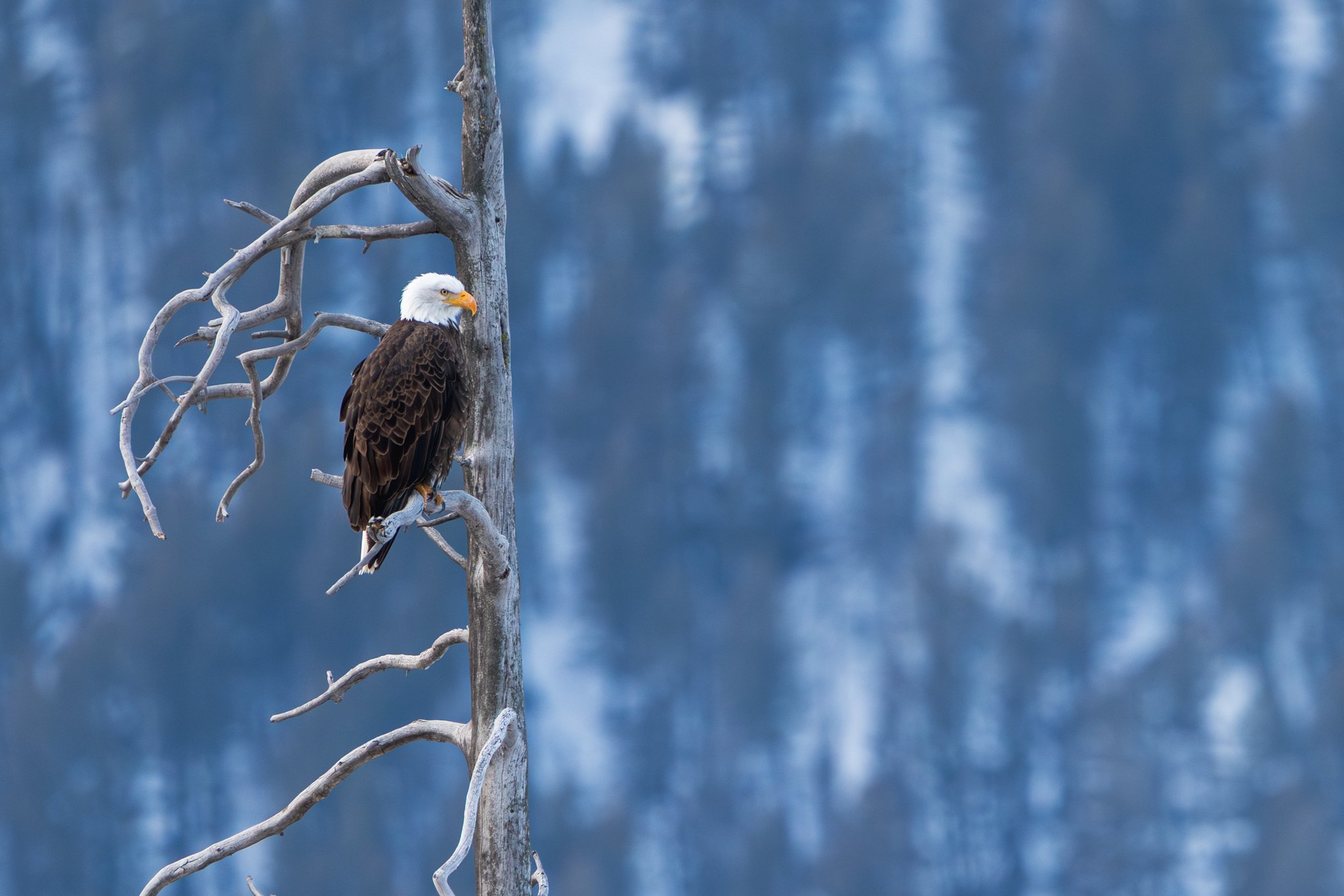
The Wild in Yellowstone: Bald Eagles in March
March brings a shift along Yellowstone’s rivers. As winter begins to loosen its grip, bald eagles become more active, more visible, and more vocal. Nesting season is underway, and pairs work together to reinforce bonds, defend territory, and prepare for the months ahead. Open water along the Yellowstone River creates prime opportunities to observe hunting behavior, aerial displays, and perch interactions. In this edition of Wild Yellowstone, we explore bald eagle behavior during early spring, where to reliably find them in March, and how to photograph these iconic raptors as they move between winter and nesting season.
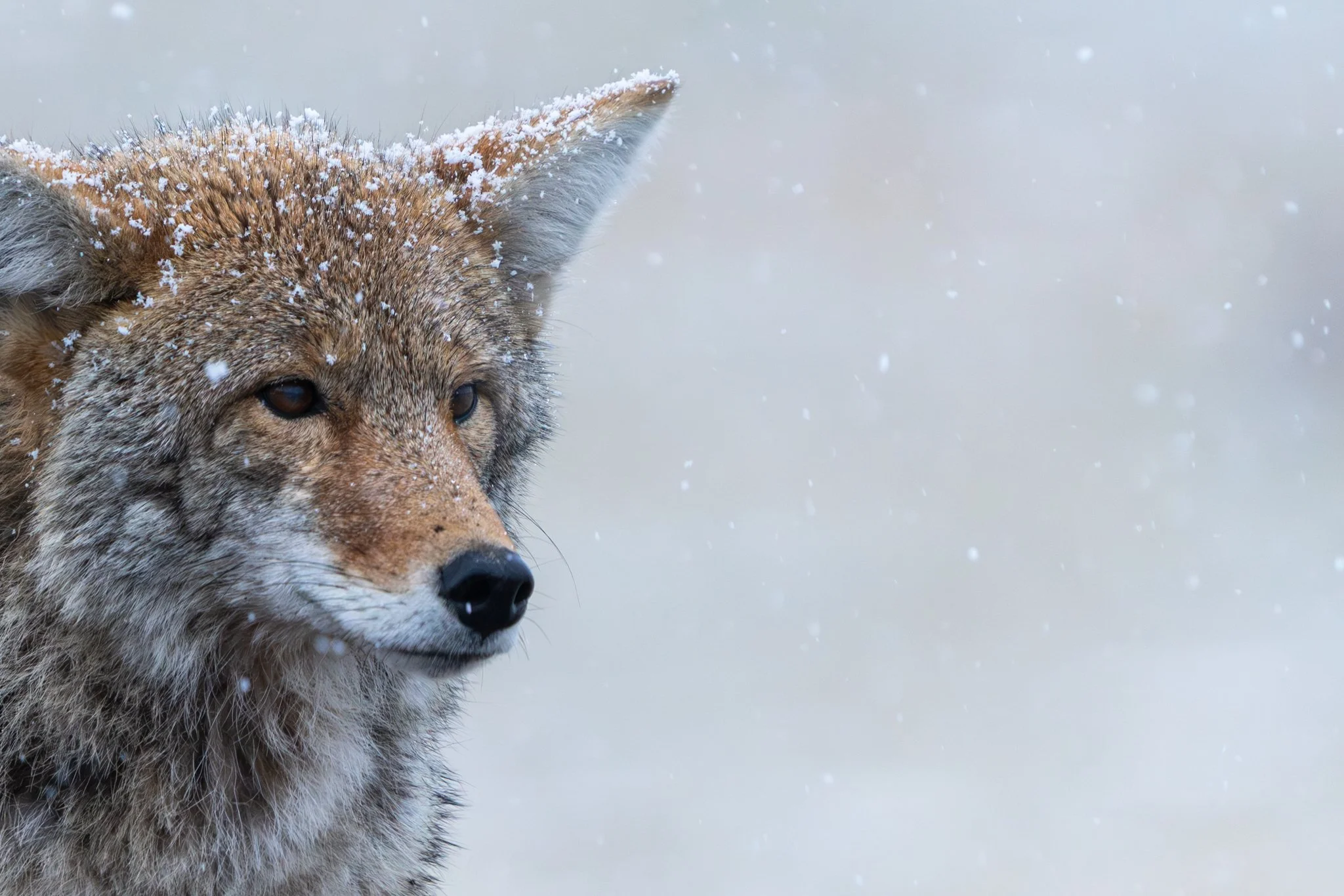
The Wild in Yellowstone: Coyotes in February
February brings a noticeable shift in Yellowstone’s winter rhythm. Coyotes, already one of the park’s most adaptable predators, become increasingly vocal and active as mating season reaches its peak. Pair bonds strengthen, territories are reinforced, and hunting behavior sharpens in preparation for the months ahead. Snow-covered valleys offer some of the best photographic opportunities of the year, where coyotes stand out against clean winter backdrops and display classic mousing behavior. In this edition of Wild Yellowstone, we’ll explore how coyote mating season unfolds, where to find them during winter, and how to anticipate moments that lead to compelling wildlife images — from early-morning hunts to evening howls echoing across the northern range.
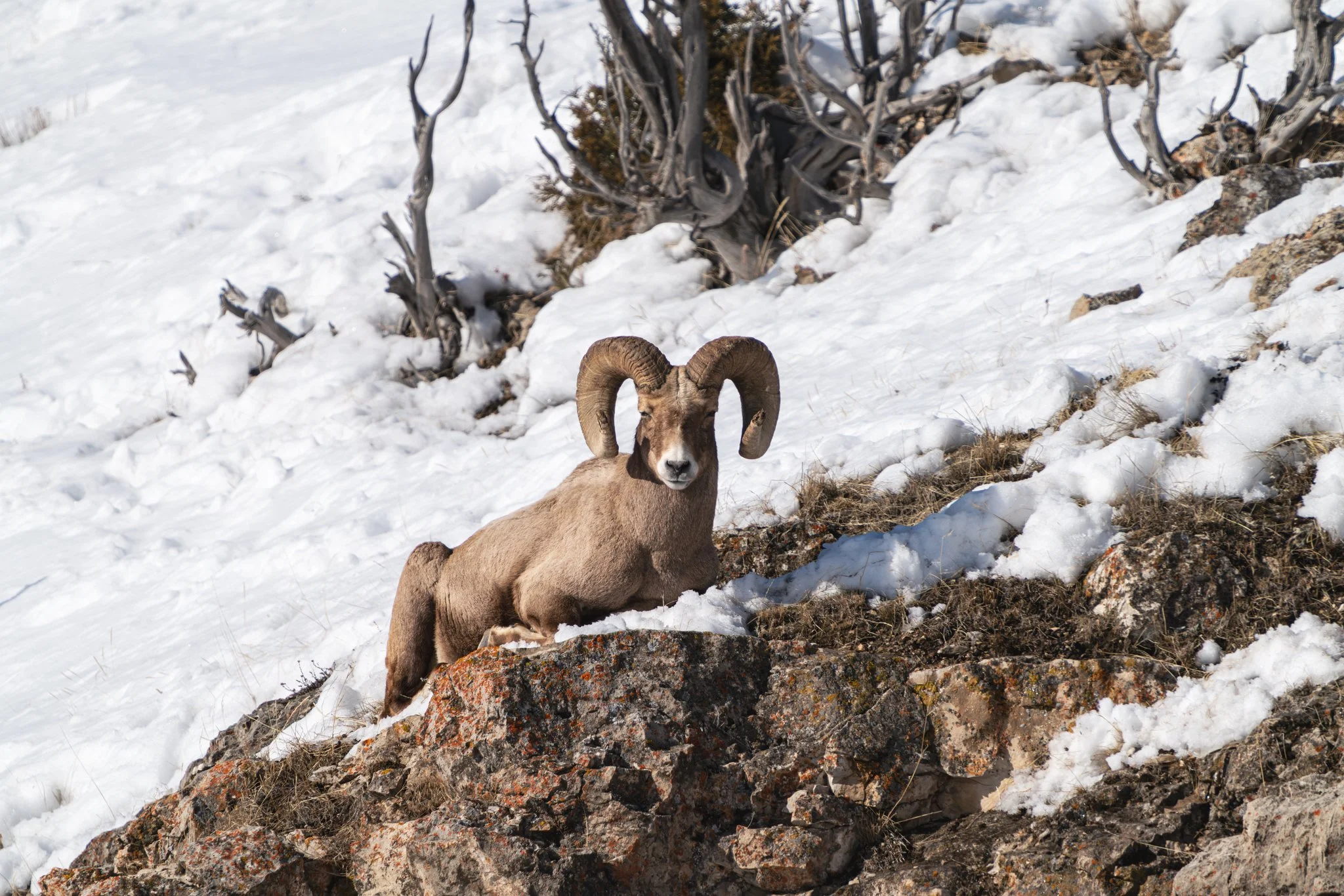
The Wild in Yellowstone: Bighorn Sheep in January
January in Yellowstone belongs to the bighorn sheep. These remarkable animals descend from the high ridges to graze open slopes near Gardiner and the northern canyons. Frost collects on their thick coats as they navigate steep, snow-covered cliffs with calm precision. In the coldest months, survival and balance become one. For photographers, this is a rare opportunity to capture raw resilience against a backdrop of frozen wilderness. In this edition of Wild Yellowstone, we’ll explore how bighorn sheep adapt to harsh winter conditions, where to find them in the park, and how to create powerful, storytelling images that highlight their strength and solitude.

Bear Safety in Yellowstone
Montana and Wyoming are home to two of the most iconic wildlife destinations in North America: Yellowstone National Park and Grand Teton National Park. These stunning landscapes are not only known for their geothermal wonders and jagged peaks; they’re also prime grizzly and black bear habitat.
Whether you're hiking deep into the backcountry or simply pulling off to photograph wildlife from the road, understanding bear behavior and practicing proper safety protocols is essential, not just for your safety, but for the well-being of the bears themselves.