

Exploring the Wild
Yellowstone Wildlife, Photography & Field Guides
Explore Yellowstone and beyond through in-depth wildlife insights, photography guides, and real field experience. This collection of articles covers seasonal wildlife behavior, where to find animals, and how to photograph them in changing conditions. You’ll also find astrophotography guides, location breakdowns, and practical techniques used in the field. Whether you’re planning a trip or refining your skills, this is where knowledge meets real-world experience.
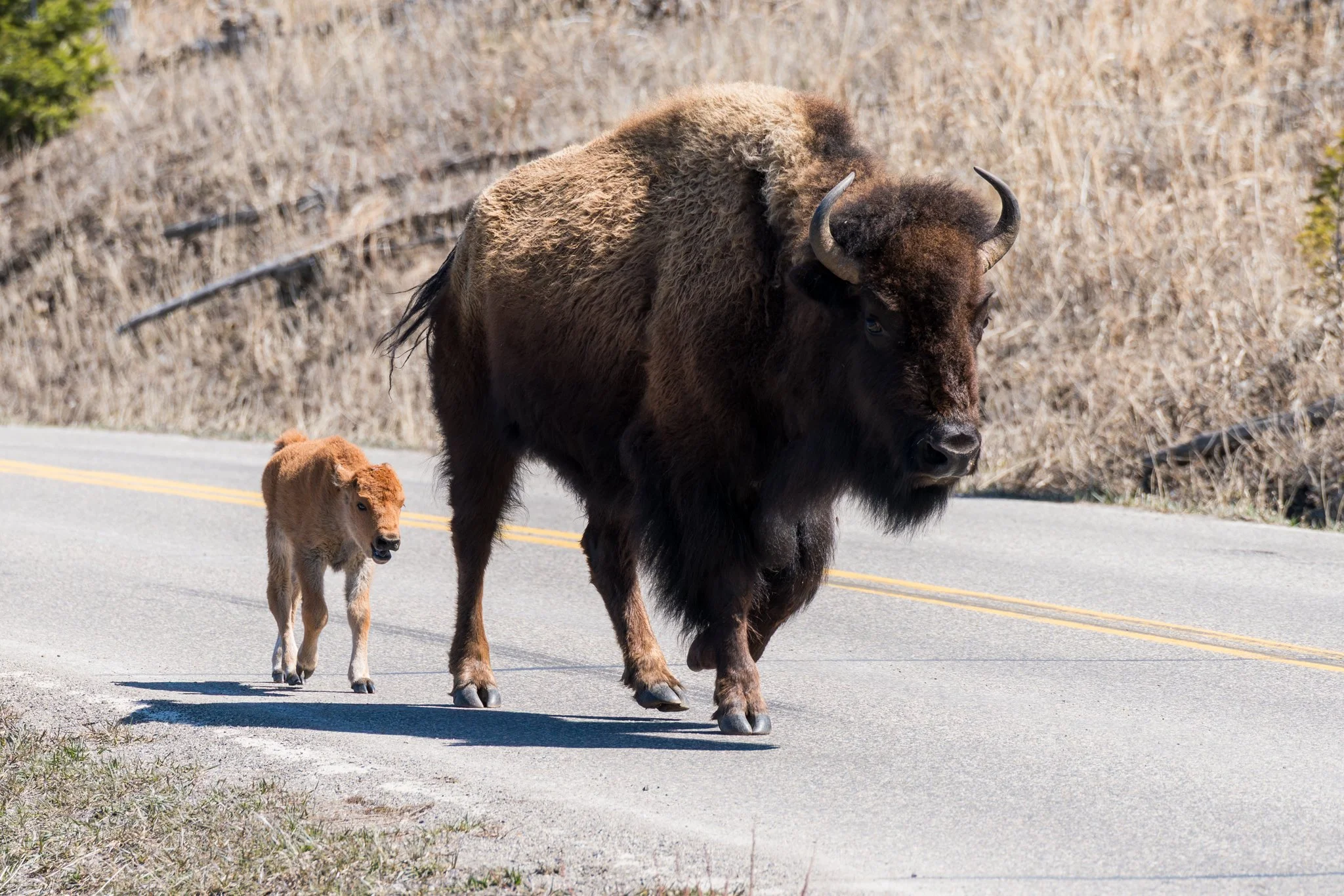
The Wild in Yellowstone: Bison in May
May in Yellowstone marks one of the most dynamic periods of the year, bison calving season. Across Lamar and Hayden Valley, newborn calves, often called “red dogs,” begin to appear alongside protective mothers and tightly structured herds. These early days of life unfold quickly, with calves standing within minutes and staying close as they navigate a landscape still transitioning from winter to spring. For photographers, this is a rare opportunity to capture powerful moments of connection, vulnerability, and resilience. In this post, we explore bison behavior during calving season, where to find them across Yellowstone, and how to photograph these iconic animals while respecting their space during one of the most sensitive times of year.
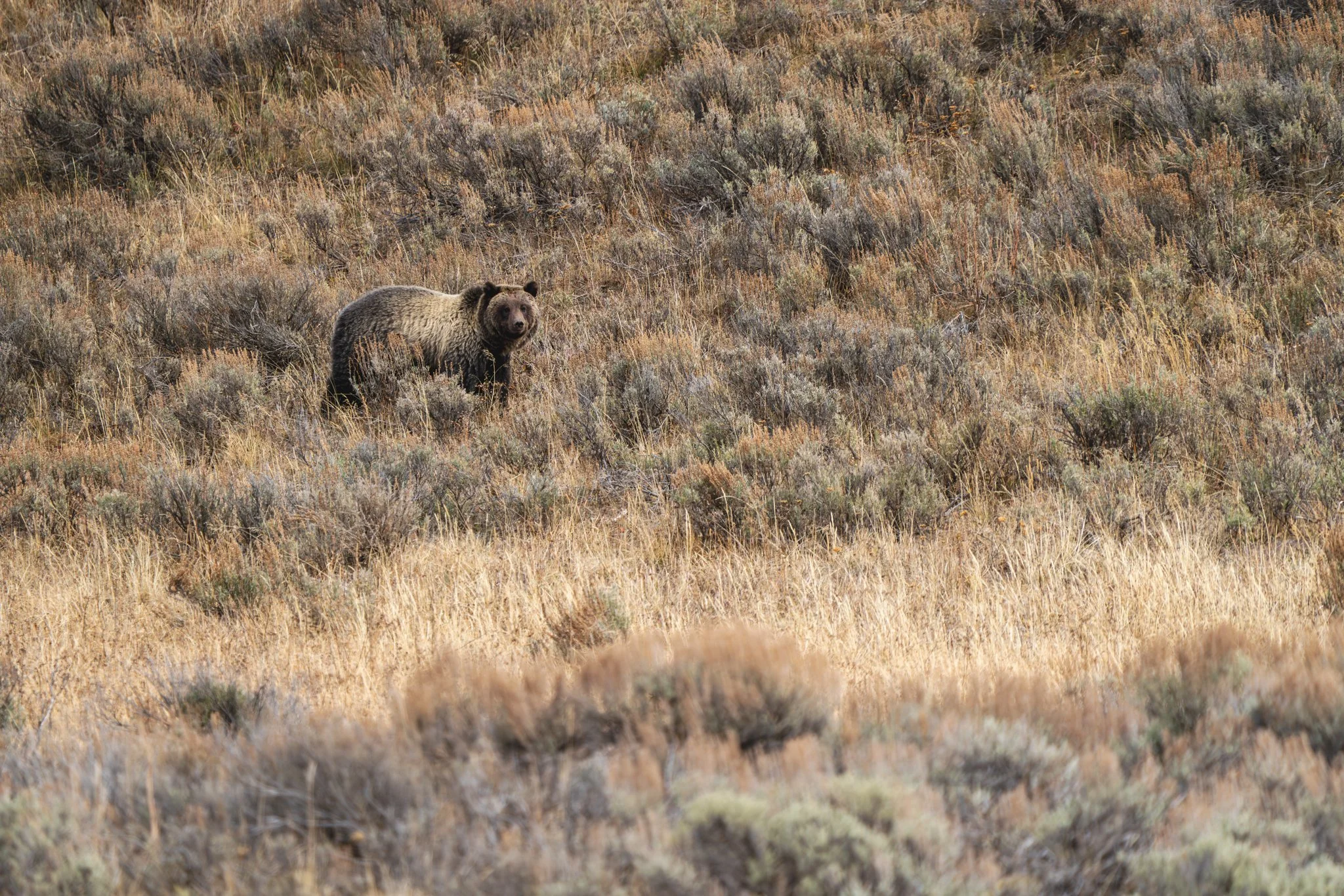
The Wild in Yellowstone: Grizzly Bears in April
April in Yellowstone marks the true beginning of spring. Following the first confirmed grizzly sighting on March 9th in Yellowstone and the first sow with cubs observed on March 29th in Grand Teton, bear activity increases across the region. Sows with cubs become more visible, movement expands, and feeding opportunities improve as snow recedes. This is one of the most powerful months to observe grizzly behavior in its most natural state. In this post, we explore where to find bears in April, what behaviors to watch for, and how to photograph them responsibly in Yellowstone’s evolving spring landscape.
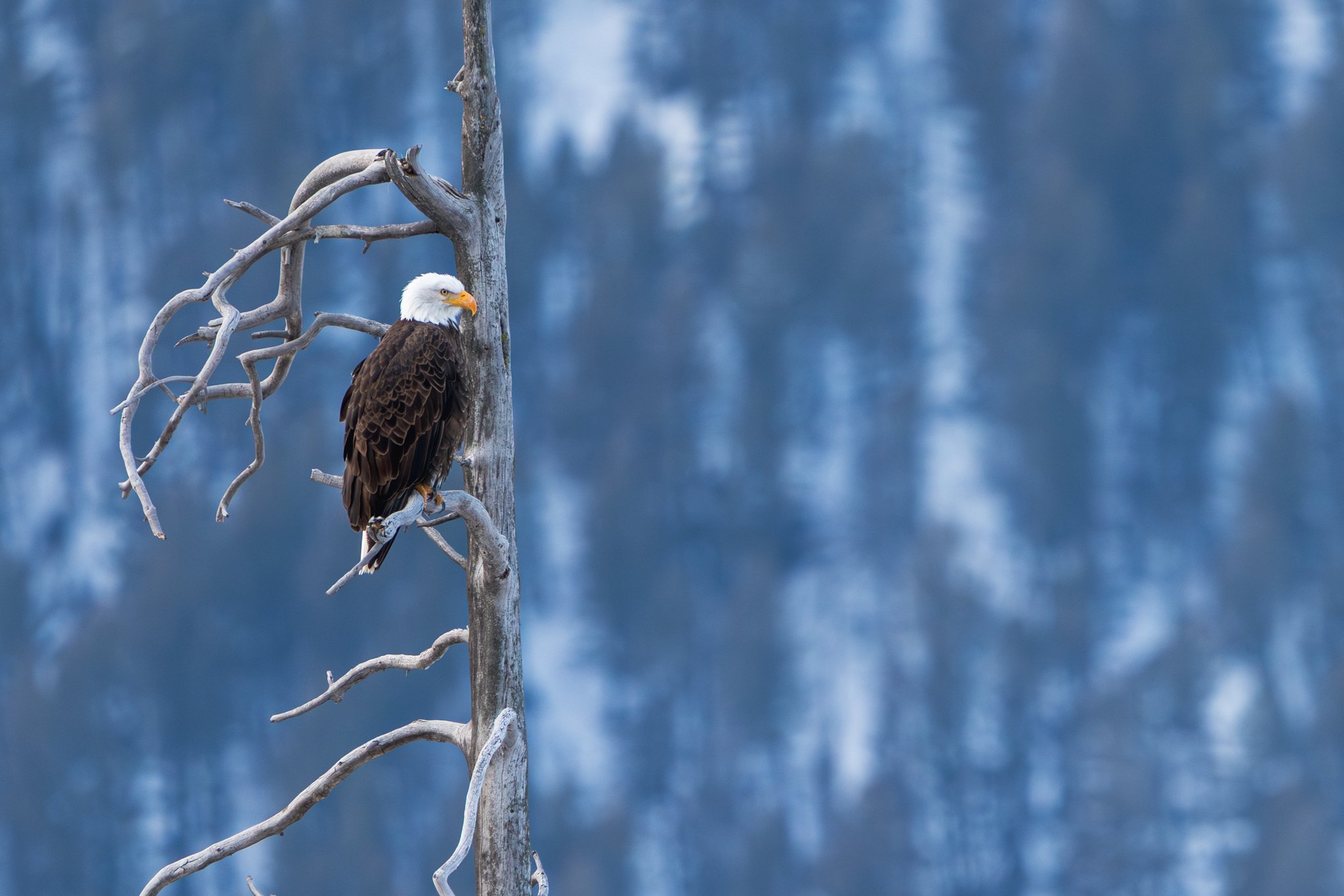
The Wild in Yellowstone: Bald Eagles in March
March brings a shift along Yellowstone’s rivers. As winter begins to loosen its grip, bald eagles become more active, more visible, and more vocal. Nesting season is underway, and pairs work together to reinforce bonds, defend territory, and prepare for the months ahead. Open water along the Yellowstone River creates prime opportunities to observe hunting behavior, aerial displays, and perch interactions. In this edition of Wild Yellowstone, we explore bald eagle behavior during early spring, where to reliably find them in March, and how to photograph these iconic raptors as they move between winter and nesting season.