

What’s Happening in Yellowstone: November 2025
Winter Approaches in Yellowstone: The Quiet Season Begins
As November settles across Yellowstone, the park transitions into its most peaceful and challenging season. The first snow blankets the sage flats of Lamar Valley, rivers steam in the frigid dawn, and the echo of bugling elk fades into the stillness of winter. With roads closing and most services shut down, Yellowstone becomes a land of solitude, reserved for the wildlife that call it home and the few who venture north to witness its raw winter beauty.
Road & Access Updates: Limited Winter Entry
As of November 1, 2025, the only road open to regular vehicle traffic in Yellowstone National Park runs from Gardiner’s North Entrance through Mammoth Hot Springs, Tower Junction, and Lamar Valley to Cooke City, Montana, and back.
All other park roads are closed for the winter season to prepare for over-snow travel.
Beartooth Highway (US-212): Closed for the season and will remain closed until late May 2026.
Dunraven Pass (Tower–Canyon): Closed for winter; reopens in late spring.
South, West, and East Entrances: Closed to vehicle traffic; snowmobiles and snow coaches operate later in the season.
Mammoth to Norris, Canyon, Lake, and Old Faithful areas: Closed to public vehicles.
Visitors traveling to Yellowstone this month should enter and exit through Gardiner, Montana, and be prepared for winter driving conditions, icy roads, and extremely limited services.
Weather Conditions: Subzero Beginnings
November brings true winter to Yellowstone. Daytime highs average in the 30s°F to low 40s°F, while nights often plunge into the teens or single digits. Snowfall is frequent, particularly in the higher elevations near Tower and along the Absaroka Range.
Wind chills can make temperatures feel even colder, especially during early morning wildlife outings. Those visiting should dress in multiple layers, wear insulated boots, and carry emergency gear such as traction devices, blankets, and a shovel.
Wildlife: Adapting to Survival
The onset of winter triggers profound behavioral shifts among Yellowstone’s wildlife.
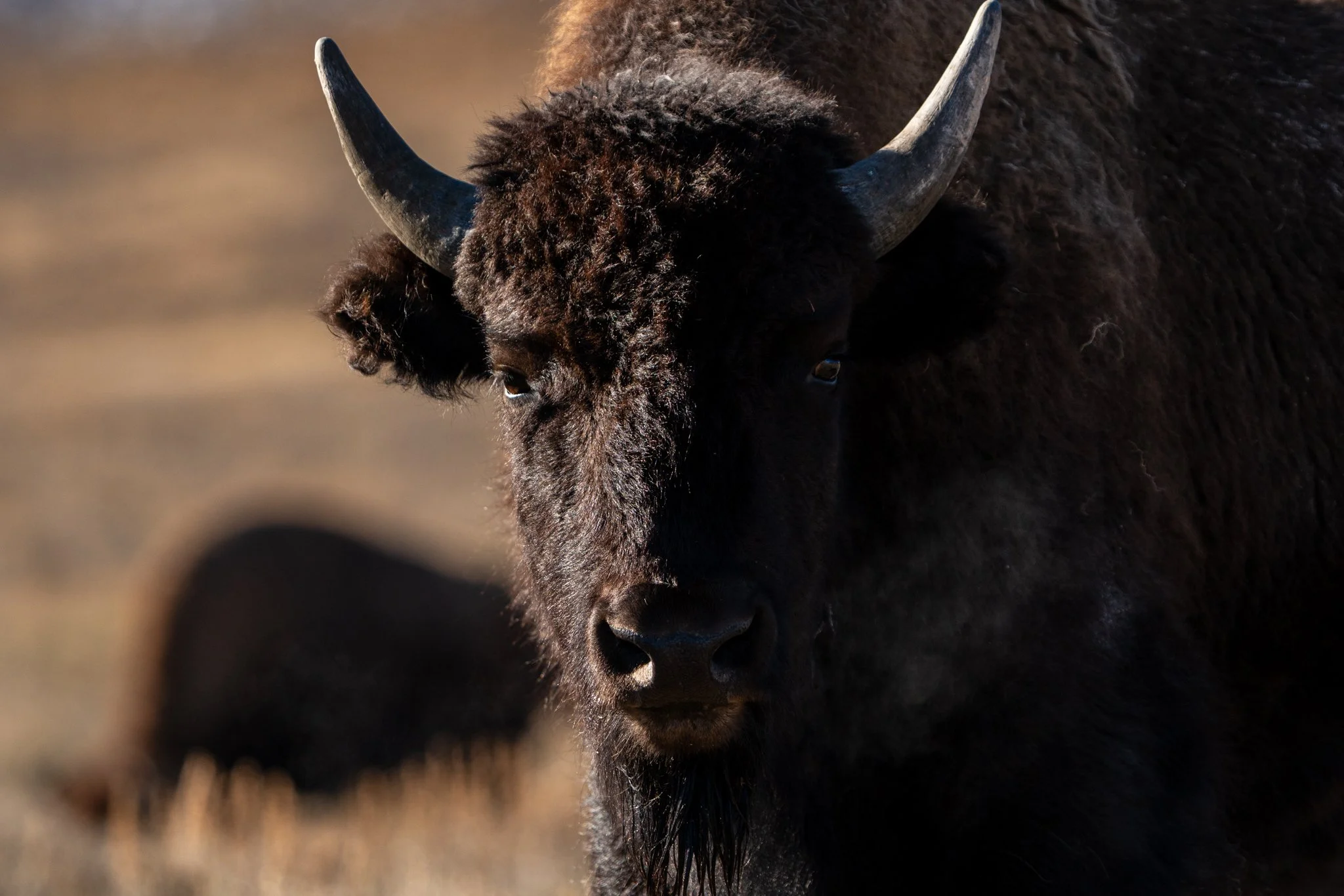
Bison and Elk remain visible in Lamar Valley, moving to lower elevations where geothermal warmth and wind-swept slopes expose patches of grass. Watching them forage through snow-dusted fields under pale winter light offers unforgettable photographic opportunities.
Wolves remain highly active following herds, testing the weak, and reaffirming pack bonds. Their howls carry for miles through the frosty air, and winter often provides the best chance to observe them against the snowy backdrop.
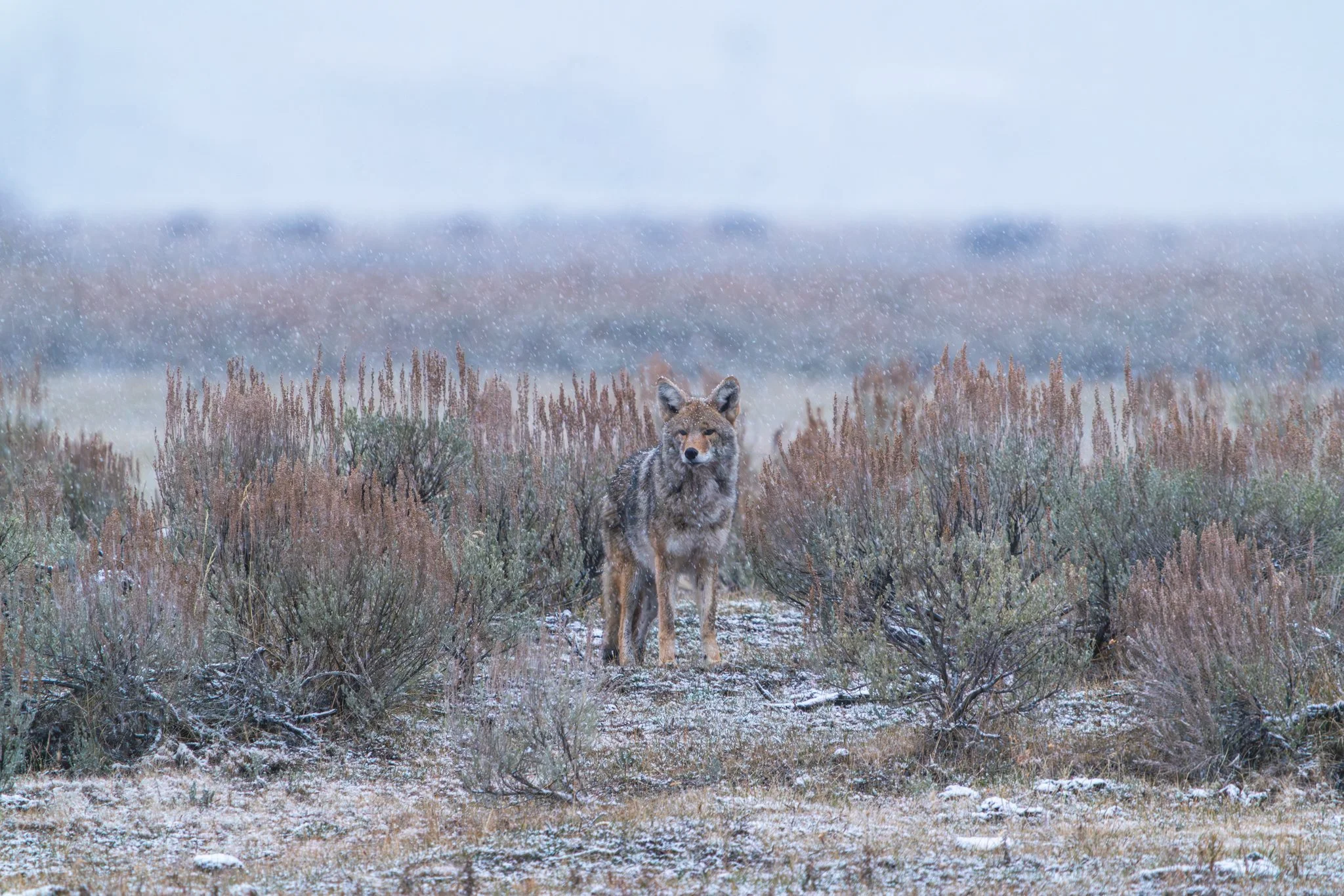
Coyotes and foxes begin hunting more visibly in the open, using their keen hearing to locate rodents beneath the snowpack.
Moose can occasionally be spotted in riparian areas north of Mammoth, browsing on willow and aspen shoots.
Bears: Entering Hibernation

By early November, most black bears and grizzly bears have retreated to their dens. Their tracks fade from the snow, and the park enters its quietest months without their presence. For photographers, this signals the transition from the bustle of fall activity to the stillness of winter’s endurance.
Birdlife: Raptors and Winter Residents
The skies grow quieter as migratory species have long departed south, but several hardy birds remain.
Trumpeter swans and goldeneyes linger in the open sections of the Lamar River.

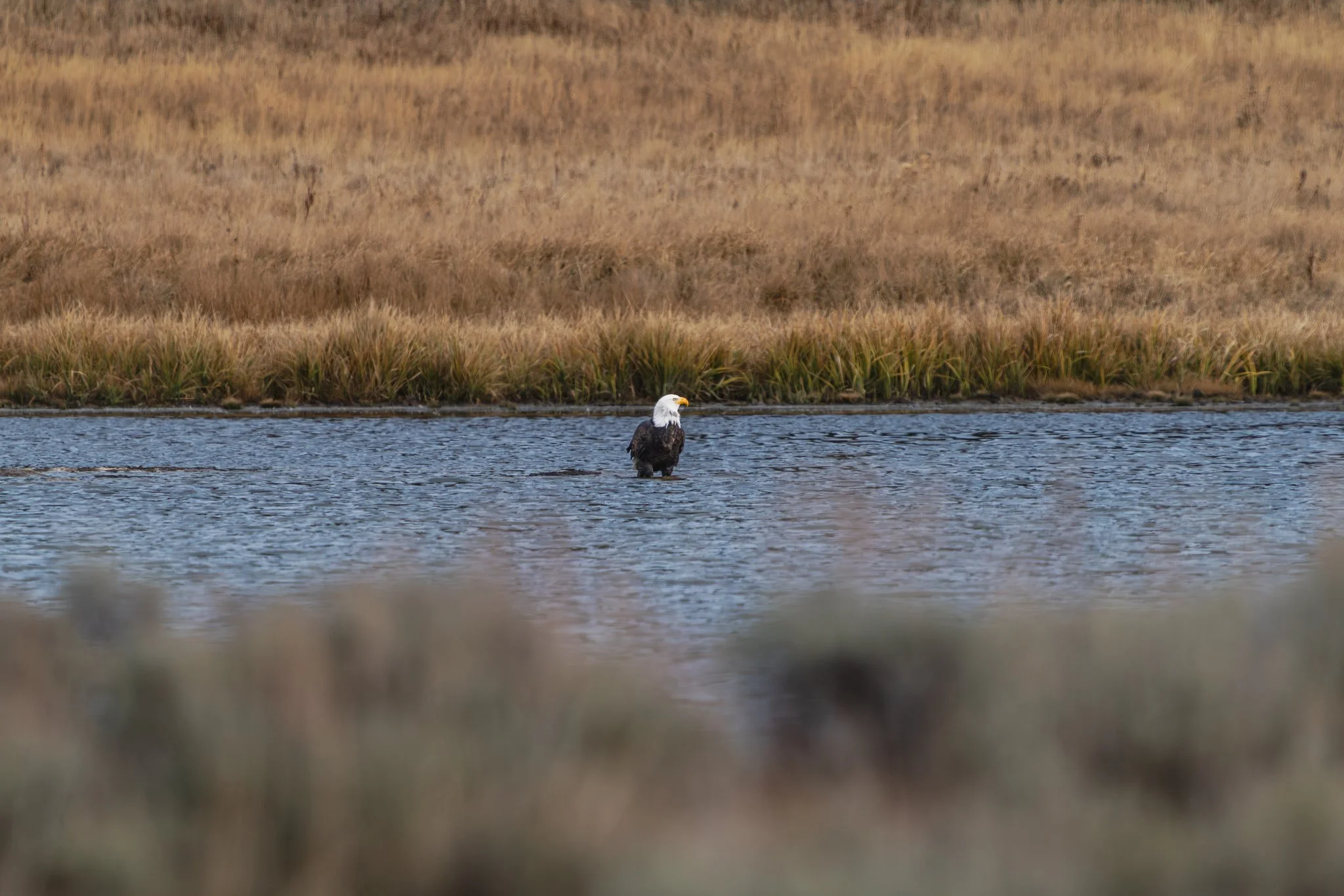
Bald eagles and rough-legged hawks patrol the valleys, hunting carrion and small mammals.
Clark’s nutcrackers and gray jays thrive in the cold, caching food among conifers.
Birdwatching in November offers fewer species but greater serenity, moments of stillness, and light that define Yellowstone’s northern range in winter.
Visiting Tips: Embracing Yellowstone’s Winter Quiet
Those venturing into Yellowstone this November will find a park transformed, silent, vast, and profoundly wild.
Travel Essentials:
Enter through Gardiner, MT (North Entrance).
Bring winter tires or 4WD, and check the Yellowstone road status page before travel.
Layer up with thermal undergarments, insulated jackets, gloves, and waterproof boots.
Expect limited cell service and minimal facilities between Mammoth and Cooke City.
Activities:
Wildlife photography in Lamar Valley, wolves, bison, elk, and foxes are active.
Guided winter photography tours with Wildscape Adventure offer safe access and expert insight into photographing Yellowstone’s resilient wildlife in its most dramatic season.
The Essence of November in Yellowstone
November marks the true beginning of Yellowstone’s long winter. It’s a month defined by silence, endurance, and the quiet pulse of life beneath snow and ice. For those who venture north, it’s an opportunity to witness the park as few ever do, where steam rises from frozen rivers and wolf tracks etch across untouched snow.
In this stillness lies a rare kind of beauty, one that rewards patience, preparation, and respect for the elements.
To experience Yellowstone’s winter wildlife and landscapes firsthand, join one of our guided photography tours through Wildscape Adventure. Our small-group and private tours focus on the open northern corridor between Gardiner and Lamar Valley, providing world-class opportunities to photograph wolves, bison, elk, and the park’s breathtaking winter light.
Visit WildscapeAdventure.com to learn more or reserve your spot on our Winter Wonderland Workshop or Wild Yellowstone Tour photography experiences.
Let’s capture the wild together.
